By The Warrin Team
Buying a home in San Francisco works best when the strategy reflects how the city actually lives block by block. The city compresses an extraordinary range of housing into a small geography, from classic flats near Alamo Square to full-floor condominiums in Pacific Heights, view residences in Russian Hill, and single-family homes climbing the slopes of Noe Valley.
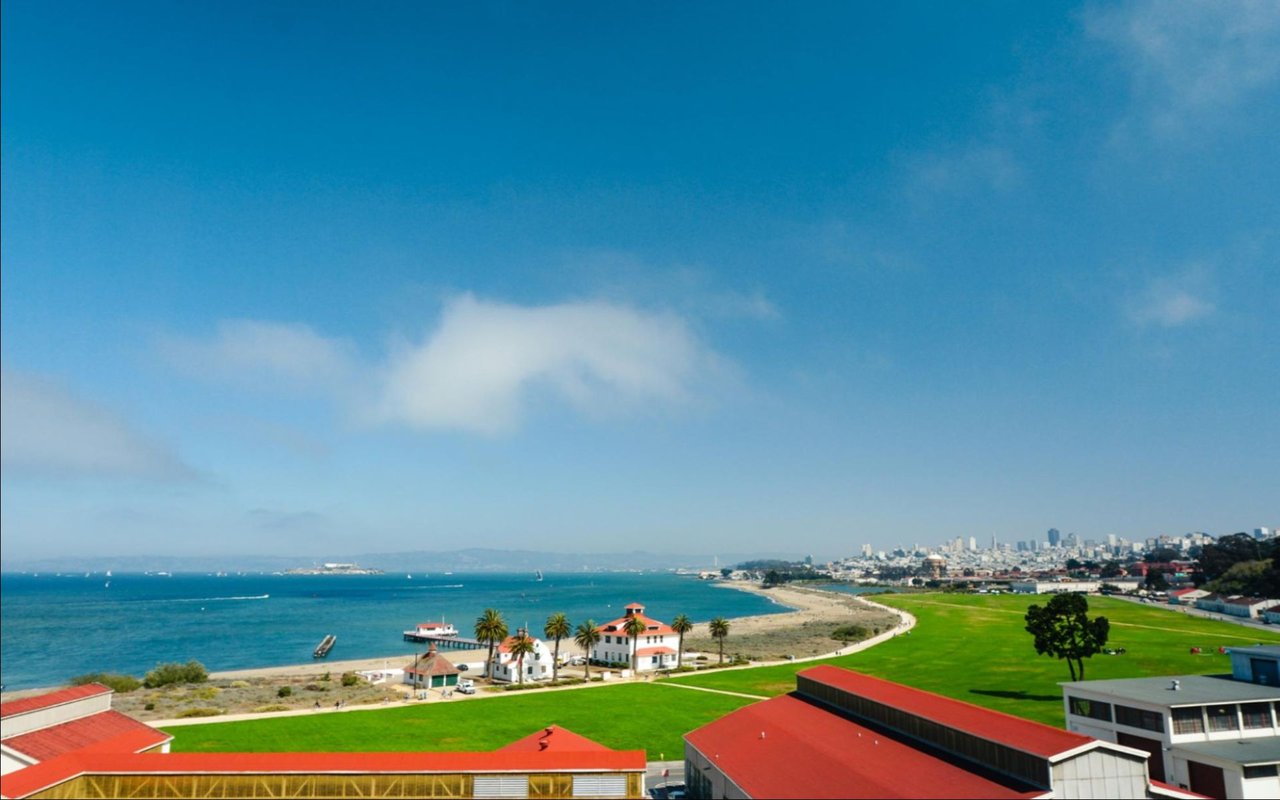
As experienced agents in the Bay Area, we know the details that make the city unforgettable, from the long ridge views in Russian Hill to the stately blocks of Pacific Heights, the park-edge calm near the Presidio, and the downtown energy around Market Street and the Embarcadero.
Key Takeaways
-
Geography: Hills, transit, and block pattern shape daily use.
-
Housing: Condos, TICs, and houses each require a different lens.
-
Competition: Strong preparation supports better positioning.
-
Judgment: City-specific due diligence matters at every stage.
The Search Should Start With the Shape of the City
San Francisco is one of the few markets where neighborhood geography changes the ownership experience almost immediately.
The location traits we map first
-
Transit reach: Access to Muni lines and downtown BART stations can influence the full weekly rhythm.
-
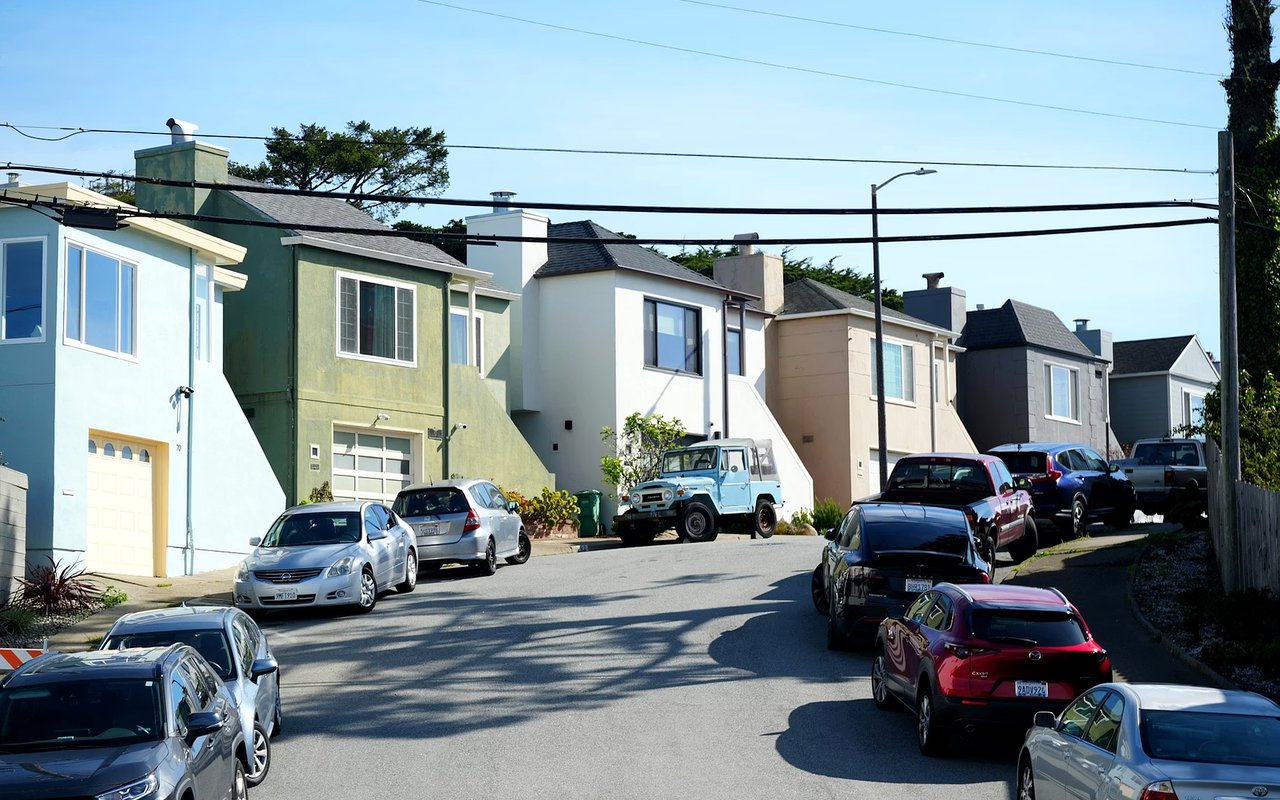
Street grade: Steeper blocks affect parking, walking, and how the property is approached.
-
Commercial core: Proximity to corridors like Fillmore, Chestnut, or Valencia changes day-to-day convenience.
-
Open-space access: The Presidio, Golden Gate Park, and waterfront paths add a strong lifestyle dimension.
These factors help narrow the search in a way that feels more precise than simply choosing a price band or bedroom count.
Property Type Changes the Entire Conversation
San Francisco real estate offers several ownership formats, and each one comes with its own practical and financial implications.
The property forms we compare carefully
-
Condominiums: Often center on HOA structure, shared systems, and building-wide upkeep.
-
TIC properties: Require extra attention to financing, agreements, and building coordination.
-
Single-family homes: Bring more control over the asset, along with broader maintenance responsibility.
-
Co-ops: Add a different review process tied to the building’s governing structure.
A refined condo in Russian Hill and a house in Miraloma Park may serve completely different priorities even when the headline price feels comparable.
Architecture and Condition Matter as Much as Address
San Francisco’s housing stock carries a remarkable range of eras and design languages, and that architectural variety deserves close attention.
The physical details we study early
-
Era of construction: Building age often shapes systems, materials, and inspection priorities.
-
Light quality: Orientation and window placement can change the feel of an entire floor plan.
-
Layout logic: Room sequence, stair placement, and storage matter greatly in city homes.
-
Upgrade quality: Renovations should align with the architecture and feel coherent over time.
This part of the search helps separate a well-composed property from one that simply presents attractively at first glance.
Offer Strategy Should Match the City’s Pace
We structure each move around the property’s setting, the type of listing, the quality of the disclosure package, and the tempo of the competition so the offer feels complete and credible from the start.
The offer elements we refine most
-
Timing: Submission windows should match the listing’s momentum and review schedule.
-
Presentation: A clean package makes the offer easier to understand and evaluate.
-
Terms: Deposit timing, contingency structure, and lender readiness all influence strength.
-
Property fit: Strategy should reflect whether the home is a condo, TIC, or detached residence.
Buying a home in San Francisco often turns on small differences in execution that are easy to miss without direct market experience.
Due Diligence Is Where City Knowledge Becomes Essential
Once a property stands out, the next step is understanding the building and the transaction in full detail.
The materials we review with care
-
Inspection reports: Structure, roof, systems, and moisture exposure deserve close reading.
-
Building records: Shared elements, reserves, and rules matter in multifamily properties.
-
Site context: Hillside placement, garage access, and lower-level conditions can influence upkeep.
-
Closing framework: Transfer tax and recording-related details should be understood early.
That perspective is especially important in a city where housing can be beautiful, compact, historic, and technically complex at the same time.
FAQs
Which San Francisco neighborhoods are strongest for different lifestyles?
That depends on the preferred pace, architecture, and daily routes through the city. We often compare areas like Pacific Heights, Noe Valley, Russian Hill, the Marina, and Mission Bay by looking at transit, block pattern, and housing type rather than by relying on reputation alone.
Is it better to focus on condos or houses in San Francisco?
The better fit depends on control preferences, monthly obligations, and the style of living that feels most appealing. We usually start by clarifying whether the priority is building convenience, shared amenities, and a central location, or a more independent ownership structure.
What makes San Francisco transactions feel more complex?
The complexity usually comes from the mix of older buildings, varied ownership types, steep sites, and dense urban conditions. We use a city-specific process so each of those factors is understood early and handled with clarity.
Contact The Warrin Team Today
We understand how much the city’s hills, architecture, transit web, and ownership structures influence the feel of a purchase from day one.
Connect with us at The Warrin Team today, and we will guide you through buying a home in San Francisco with a strategy tailored to the blocks, buildings, and daily patterns that make this city one of the most distinctive luxury markets in the country.
Connect with us at The Warrin Team today, and we will guide you through buying a home in San Francisco with a strategy tailored to the blocks, buildings, and daily patterns that make this city one of the most distinctive luxury markets in the country.