By The Warrin Team
Presentation is not a finishing touch in San Francisco real estate — it is a strategy. In a market where buyers are discerning, well-traveled, and accustomed to exceptional properties, a home that is not staged thoughtfully is a home that leaves money on the table. Across Pacific Heights, Noe Valley, and Marin County, the homes that generate the strongest traffic and most competitive offers are the ones where preparation shows. Getting from clutter to chic does not require a renovation — it requires intention.
Key Takeaways
- San Francisco buyers form opinions within seconds of entering a home — staging shapes that reaction before a word is spoken
- Decluttering and depersonalizing are the highest-ROI staging steps, and they cost nothing but time
- In San Francisco's luxury market, staging is not about filling a home — it is about editing it
- Professional staging in the Bay Area consistently reduces time on market and supports stronger offer prices
Why Staging Matters More in San Francisco Than Almost Anywhere Else
San Francisco buyers are not typical buyers. Many are tech executives, investors, and global buyers who have seen luxury properties across multiple cities and countries. They walk into a tour already knowing what the comps look like. What they are evaluating is whether this particular home feels worth its ask — and that feeling is largely created by presentation.
Demand is strong — luxury home sales in San Francisco climbed over 22% year-over-year in early 2026, a trend consistent with the broader market recovery driven by AI-sector employment and constrained inventory. But strong demand does not make presentation irrelevant. The gap between a well-staged home and an unstaged one shows up in offer quality: homes that show beautifully attract competing bids, while homes that do not tend to draw offers with conditions.
Demand is strong — luxury home sales in San Francisco climbed over 22% year-over-year in early 2026, a trend consistent with the broader market recovery driven by AI-sector employment and constrained inventory. But strong demand does not make presentation irrelevant. The gap between a well-staged home and an unstaged one shows up in offer quality: homes that show beautifully attract competing bids, while homes that do not tend to draw offers with conditions.
What San Francisco Buyers Are Evaluating During a Tour
- Whether the scale and flow of the home feel livable, not just impressive on paper
- How well natural light is being used — crucial in SF homes where light varies dramatically by neighborhood and floor
- Whether the home feels move-in ready or like a project
- How the property delivers on the listing photos — if staging made the photos great, the home has to match in person
Step One: Edit Before You Add Anything
The most common staging mistake is adding before editing — bringing in art and accessories without first removing what is making the space feel small or busy. In a city where square footage is at a premium, whether you are selling a Telegraph Hill flat or a Belvedere waterfront home, every piece of furniture that is not earning its place is shrinking the room.
Start by removing personal photographs, collections, and anything that communicates a lifestyle that is not universally aspirational. Pull at least one piece of furniture from every room. In living rooms, float furniture away from the walls — it feels more designed and makes the space read larger. In kitchens and bathrooms, clear every surface completely, then replace a small curated selection.
Start by removing personal photographs, collections, and anything that communicates a lifestyle that is not universally aspirational. Pull at least one piece of furniture from every room. In living rooms, float furniture away from the walls — it feels more designed and makes the space read larger. In kitchens and bathrooms, clear every surface completely, then replace a small curated selection.
High-Impact Editing Moves That Cost Nothing
- Remove all personal photographs and family memorabilia from walls and surfaces
- Clear kitchen countertops completely — leave only one or two intentional items
- Remove excess furniture from living areas, especially pieces that block sightlines to windows or views
- Strip bathroom surfaces to a single coordinated set of towels and one simple accessory
- Take down bold or very personal artwork — neutral is not boring in this context, it is strategic
Step Two: Stage Room by Room
The entry, the living room, and the primary suite are the three spaces that determine how a buyer feels about a San Francisco home. Everything else supports those rooms. Buyers form their emotional response within the first few steps — and the primary suite is often where they commit or walk away.
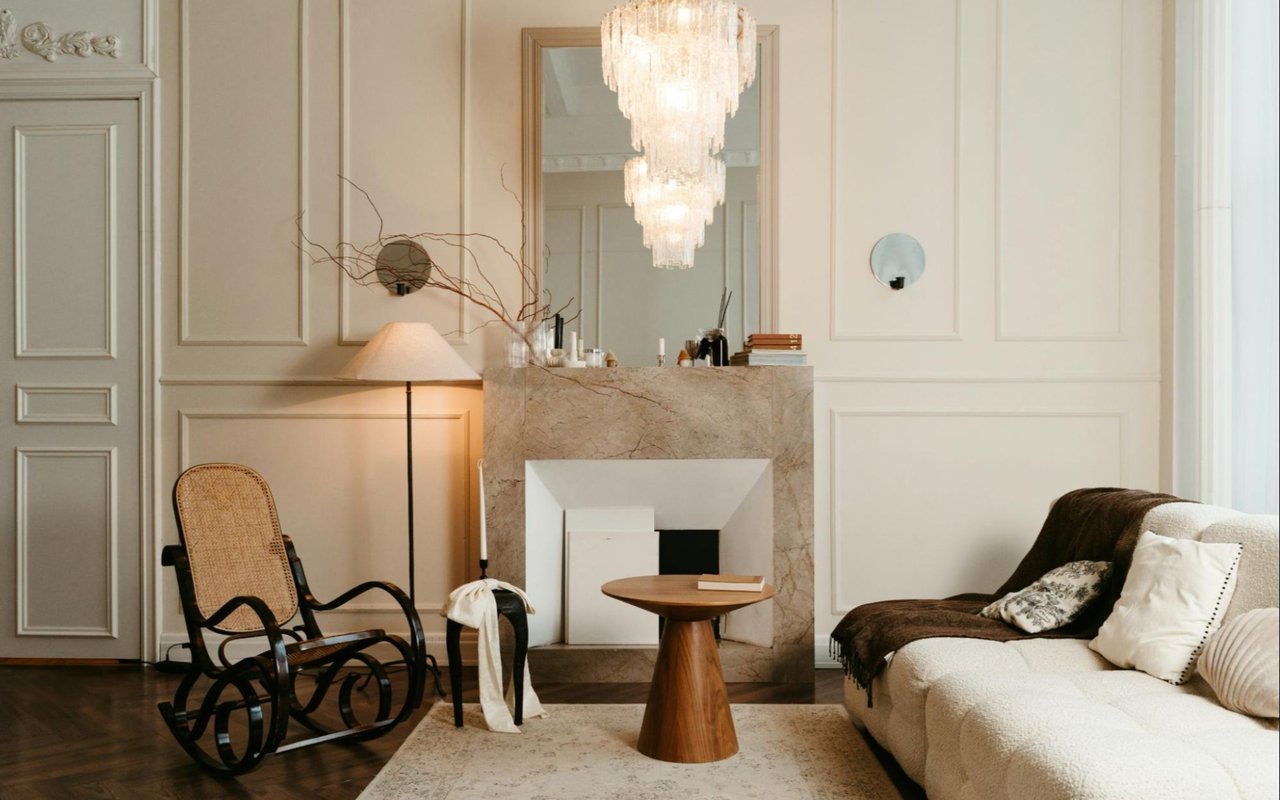
In the entry, the goal is arrival: one console table, a mirror, and one considered accessory. In the living room, the goal is flow and light — furniture arranged to guide movement, every window treatment open. In the primary suite: neutral bedding, layered texture, clear nightstands.
In the entry, the goal is arrival: one console table, a mirror, and one considered accessory. In the living room, the goal is flow and light — furniture arranged to guide movement, every window treatment open. In the primary suite: neutral bedding, layered texture, clear nightstands.
Staging Priorities by Room
- Entry: clear the floor entirely, add one intentional piece of furniture and warm lighting
- Living room: float furniture away from walls, maximize light, remove one piece of seating if the room feels crowded
- Kitchen: clear surfaces, add a single bowl of fruit or fresh flowers — nothing else
- Primary suite: neutral bedding in white or warm linen, no personal items, sheers instead of blackout curtains where possible
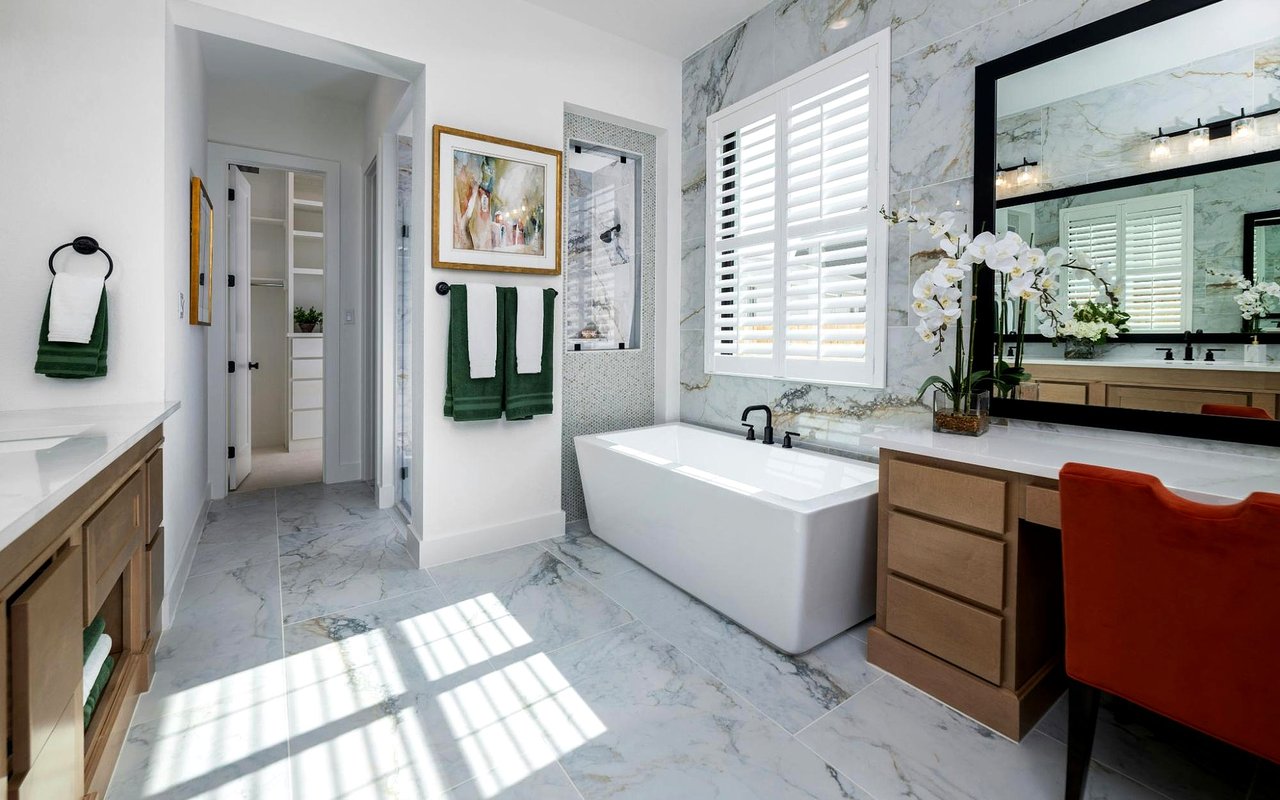
- Bathrooms: white or neutral towels folded hotel-style, a single small plant, nothing on the floor
Step Three: Light, Scent, and the Final Hour Before Buyers Arrive
Light and scent are two elements staging checklists routinely underemphasize. San Francisco homes vary enormously in natural light — a south-facing Noe Valley home and a north-facing Russian Hill flat require different artificial lighting strategies. Before every tour, every light should be on, including closets and secondary bathrooms. Warm-toned bulbs create a welcoming quality that cool or mixed lighting cannot match.
A home that smells of fresh air and nothing else is the goal. Avoid plug-in air fresheners and heavy candles — both signal something is being masked. Open windows in the hour before a tour if weather permits, and let fresh flowers provide a light natural scent.
A home that smells of fresh air and nothing else is the goal. Avoid plug-in air fresheners and heavy candles — both signal something is being masked. Open windows in the hour before a tour if weather permits, and let fresh flowers provide a light natural scent.
The Pre-Tour Checklist
- Every light in the home switched on, including lamps and under-cabinet lighting
- All window treatments fully open
- Temperature set to a comfortable level — a cold or stuffy home creates discomfort buyers associate with the property
- Fresh flowers in the entry or kitchen
- All personal items, pet supplies, and shoes out of sight
- Exterior swept, front door hardware cleaned and polished
Frequently Asked Questions
Is professional staging worth the cost for a San Francisco home?
In most cases, yes. Professional staging in the Bay Area typically costs between $3,000 and $8,000 for a mid-range property, and the return in offer price and reduced days on market consistently exceeds that investment. For luxury properties in Pacific Heights, Sea Cliff, or Marin, the numbers are even more compelling.
Should I stage a vacant home differently than an occupied one?
Vacant homes require more investment — buyers struggle to read scale and flow in empty spaces, so every primary room needs furniture. Occupied staging focuses on editing and depersonalizing what is already there.
How important is curb appeal for a San Francisco home?
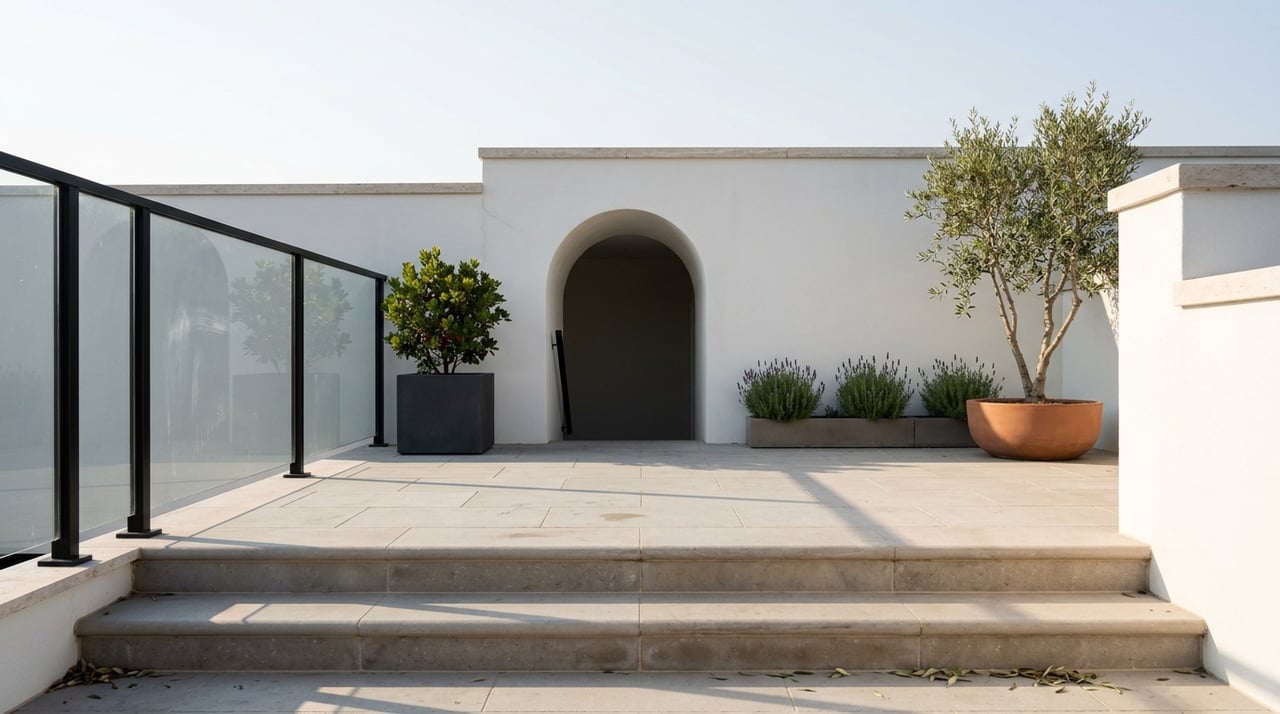
Extremely. Buyers often drive by a property before booking a tour, and the exterior creates the first impression before they ever step inside. Clean landscaping, a polished front door, and well-maintained steps and railings matter — particularly in neighborhoods like Presidio Heights and Cow Hollow where street presence is part of the address's appeal.
Ready to Prepare Your Home for the San Francisco Market?
Staging is where preparation meets presentation — and in this market, the difference shows in the offers. Reach out to us, The Warrin Team, and we will walk you through exactly what your home needs to stand out and attract the buyers who will value it most.