If you plan to buy in Pacific Heights, you are stepping into one of San Francisco’s most competitive and nuanced markets. Homes here can move quickly, multiple offers are common, and two properties just blocks apart can trade on very different terms. If you want to compete with confidence, you need more than enthusiasm. You need a sharp strategy, strong preparation, and a clear read on the submarket. Let’s dive in.
Understand the Pacific Heights market
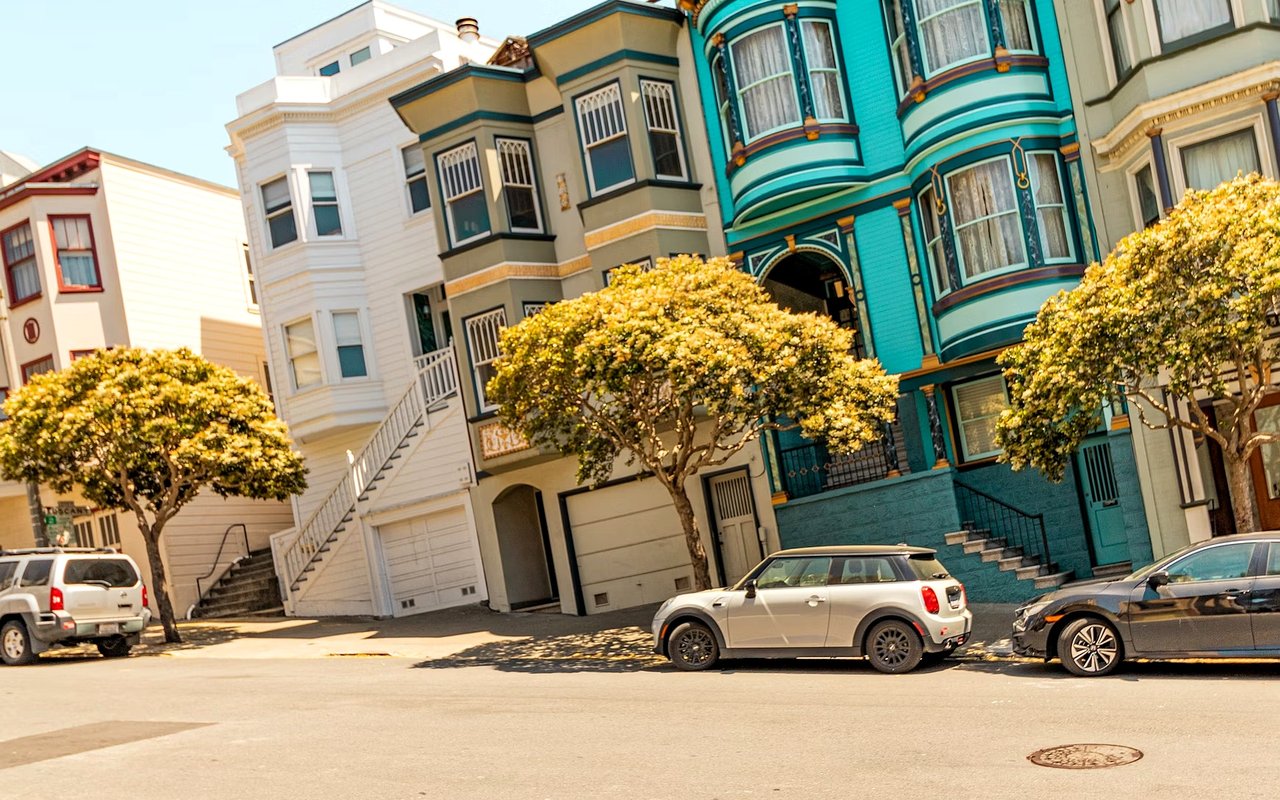
Pacific Heights is widely known for its grand homes, historic architecture, quiet residential streets, and sweeping bay views. SF Travel’s neighborhood guide highlights the area’s elevated setting, independent shops, and outlooks from higher points such as Alta Plaza Park. That setting is part of the appeal, but it also shapes pricing from block to block.
The numbers confirm how competitive the market is. Redfin’s February 2026 Pacific Heights housing data reported a median sale price of $1.765M, an average of 17 days on market, and a Compete Score of 91. The same report noted that 54.1% of homes sold above list price, while most homes receive four offers and hot homes can sell for about 21% above list.
That pace matters even more in the broader San Francisco context. Realtor.com’s February 2026 city report showed active listings in San Francisco were down nearly 28% year over year, and only 4.4% of listings had a price cut. In a market with tight inventory, desirable Pacific Heights homes can attract attention quickly.
Move quickly, but not casually
When the right home appears, you may not have the luxury of a long decision window. With average days on market at 17 in Pacific Heights, buyers need to be financially and logistically prepared before touring seriously. Waiting until you find the perfect property to line up your financing or review your buying parameters can put you behind.
A fast move does not mean a rushed move. It means you already know your budget, your preferred block patterns, your must-haves, and your tolerance for renovation or building complexity. In a neighborhood where competition is normal, preparation is what gives you room to act calmly.
Build a clean, credible offer
In Pacific Heights, sellers often compare more than price alone. A clean offer package can help reduce uncertainty and make your position stronger from the start. That is especially true in a market where multiple-offer scenarios are common.
Your offer should typically include:
- A strong pre-approval from a reputable lender
- A purchase price that reflects likely competition, not just the list price
- Deliberate contingencies that protect you without creating unnecessary friction
- A closing timeline that matches the seller’s needs when possible
Financing readiness matters because borrowing costs are still meaningful. Freddie Mac’s Primary Mortgage Market Survey reported the 30-year fixed mortgage rate at 6.37% as of April 9, 2026. In a fast market, being fully prepared on the financing side can help you move decisively.
Know that micro-location drives value
One of the biggest mistakes buyers make is treating Pacific Heights as one uniform market. It is not. In this neighborhood, slope, outlook, traffic patterns, and block character can affect value in a major way.
Neighborhood boundaries also vary by source. The Pacific Heights Residents Association describes the area as stretching roughly from Union to Bush and Van Ness to Presidio, while city corridor materials focus on areas such as Union Street from Steiner to Van Ness and Fillmore from Union to Lombard. That alone is a reminder that labels can blur important differences.
The physical setting adds another layer. SF Travel notes that the neighborhood rises up from Fillmore and overlooks the Marina, with higher elevations offering expansive bay views. In practice, that means one block may feel quieter and more residential, while another may command a premium because of outlook, elevation, or immediate access to neighborhood corridors.
Compare blocks, not just neighborhoods
If you are evaluating value, broad neighborhood comps are not enough. Similar-looking homes in Pacific Heights, Lower Pacific Heights, Cow Hollow, or near Union Street can sit in very different pricing environments. You need to compare like with like, as closely as possible.
Realtor.com’s Pacific Heights neighborhood market page showed clear differences among nearby areas in February 2026. Its neighborhood table listed Union Street at a $1.4685M median listing price and Cow Hollow at $2.4M, while Lower Pacific Heights had only eight homes for sale. Those differences show why block-by-block analysis matters more than relying on a familiar neighborhood name.
View inventory deserves its own lens too. Redfin’s Pacific Heights homes-with-views page showed 14 view homes for sale at a median listing price of $1.97M. If your goal is a view property, you are often competing in a smaller, more specialized slice of the market.
Treat off-market access as opportunity, not a shortcut
In a prestige neighborhood like Pacific Heights, many buyers assume off-market access automatically leads to a better deal. Sometimes it can help you access inventory that never reaches the public market. But that does not mean it reliably creates a pricing advantage.
According to the San Francisco Association of REALTORS® 2025 white paper, on-MLS listings represented 83.2% of San Francisco sales in 2024 and sold for about $302,000 more on average than off-MLS sales, after excluding the top 5% of luxury sales and trust or estate transfers. That same research suggests MLS exposure often produces stronger pricing on average.
For you as a buyer, the takeaway is simple. Off-market access can be valuable because it expands your options and may help you see homes earlier or more privately. But it should be viewed as an access strategy, not a guaranteed discount strategy.
Review older homes with extra care
Pacific Heights is admired for its historic and architecturally varied housing stock. SF Heritage’s Pacific Heights walking tour highlights the neighborhood’s compact but varied architecture across roughly 15 blocks, and the National Trust’s Haas-Lilienthal House profile notes that the 1886 home is the city’s only intact private Victorian house open regularly as a museum. That character is a major part of the neighborhood’s appeal.
It also means due diligence matters. Older homes and older condo buildings may come with aging systems, renovation constraints, building-history questions, or additional disclosure complexity. Charm and pedigree can be real advantages, but they should always be weighed alongside physical condition and building documentation.
Verify retrofit, permits, and building records
If you are buying an older condo or a small multifamily property, structural and building-status review is especially important. San Francisco’s soft-story retrofit program applies to certain pre-1978 wood-frame buildings with five or more residential units and two or more stories over a basement or underfloor area, and the city notes that Pacific Heights has substantial concentrations of these buildings.
The city also states that retrofit work can cost about $60,000 to $130,000 per building and take two to four months. For a buyer, that makes a few questions essential:
- Has any required retrofit work been completed?
- Are permits closed and documented?
- What do HOA reserves and budgets look like?
- What insurance information is available?
- Are there upcoming assessments or deferred maintenance issues?
These details can materially affect your ownership costs and your comfort level after closing.
Focus on preparation before the offer date
In a market like Pacific Heights, winning often starts before you write anything. The most competitive buyers tend to have their financing ready, their decision criteria narrowed, and their advisory team aligned early. That lets them respond with confidence when the right property comes to market.
A practical pre-offer checklist includes:
- Confirm your lending strategy and update your pre-approval
- Define your top micro-locations and view priorities
- Decide whether you prefer turnkey condition or can handle work
- Review disclosure packages quickly and carefully
- Be ready to compare list price, likely value, and probable competition
This kind of preparation helps you avoid emotional overreaching while still staying competitive.
Work with a strategy tailored to the property
Not every Pacific Heights listing calls for the same approach. A fully renovated view home with broad appeal may require an assertive offer and very little hesitation. A property with older systems, complex disclosures, or more limited buyer appeal may call for a different structure and more targeted diligence.
That is why property-specific strategy matters so much in this neighborhood. The strongest buyers are rarely the ones who use the same formula every time. They are the ones who understand when to move fast, when to push deeper on due diligence, and when to walk away.
If you are planning a move in Pacific Heights, working with an advisor who understands both the visible market and the quieter, relationship-driven side of inventory can make your search more focused and your decisions more informed. When you are ready for a discreet, tailored buying strategy, connect with The Warrin Team.
FAQs
How competitive is the Pacific Heights housing market?
- Pacific Heights is a seller-leaning market. Redfin reported a Compete Score of 91, average days on market of 17, and that most homes receive four offers, with 54.1% selling above list price in February 2026.
How fast do buyers need to act on a Pacific Heights home?
- Buyers should be ready to act quickly because homes can move fast in this neighborhood. Preparation matters most before the right listing appears.
How should buyers compare Pacific Heights with nearby neighborhoods?
- You should compare homes block by block and property by property, not just by neighborhood label, because nearby areas such as Cow Hollow, Union Street, and Lower Pacific Heights can have very different pricing and inventory patterns.
Do off-market homes in Pacific Heights usually sell for less?
- Not necessarily. SFAR research found that MLS-exposed homes in San Francisco outperformed off-MLS sales on average, so off-market access is best viewed as a way to expand opportunity rather than assume a pricing advantage.
What should buyers review in older Pacific Heights homes or condos?
- Buyers should pay close attention to disclosures, permit history, retrofit status, HOA reserves, insurance, and the condition of older systems, especially in buildings that may fall under San Francisco’s soft-story retrofit rules.