By Warrin Team
Lighting is the single most overlooked element in home design — and in San Francisco, where natural light can be inconsistent and floor plans compact, it matters more than almost anywhere else. The difference between a room that feels warm and inviting and one that reads as cold and cramped often comes down to how it's lit, not how it's furnished. We've walked through hundreds of homes across the city, from Pacific Heights flats to Potrero Hill lofts, and the ones that stop buyers in their tracks almost always share one thing in common: genuinely great lighting. Whether you're staging to sell or simply want to love your space more, these strategies will change the way you experience every room.
Key Takeaways
-
Layered lighting is far more impactful than any single fixture upgrade
-
Amplifying natural light is one of the highest-return moves in SF homes
-
Bulb temperature affects how buyers emotionally respond to a space
-
Strategic placement can make rooms feel larger, taller, and more intentional
Understand the Three Layers of Light
Good lighting isn't about one statement chandelier or a row of recessed cans — it's about building layers that work together. Home lighting design in San Francisco homes especially benefits from this approach, since so many units contend with limited natural light and tighter square footage.
The Three Layers Every Room Needs
-
Ambient lighting: the base layer that fills the room with general illumination — overhead fixtures, recessed cans, or flush mounts
-
Task lighting: focused light for specific activities — under-cabinet strips in kitchens, reading lamps in bedrooms, vanity lighting in bathrooms
-
Accent lighting: decorative and directional light that creates depth — picture lights, wall sconces, toe-kick lighting, or LED strips inside open shelving
Make the Most of San Francisco's Natural Light
Natural light is one of the most sought-after features in any SF home, and maximizing what you already have can dramatically shift how a space feels. Even in north-facing rooms or lower-floor units in neighborhoods like the Inner Richmond or Lower Nob Hill, there are reliable ways to amplify the light that does come in.
Ways to Maximize Natural Light in Your Home
-
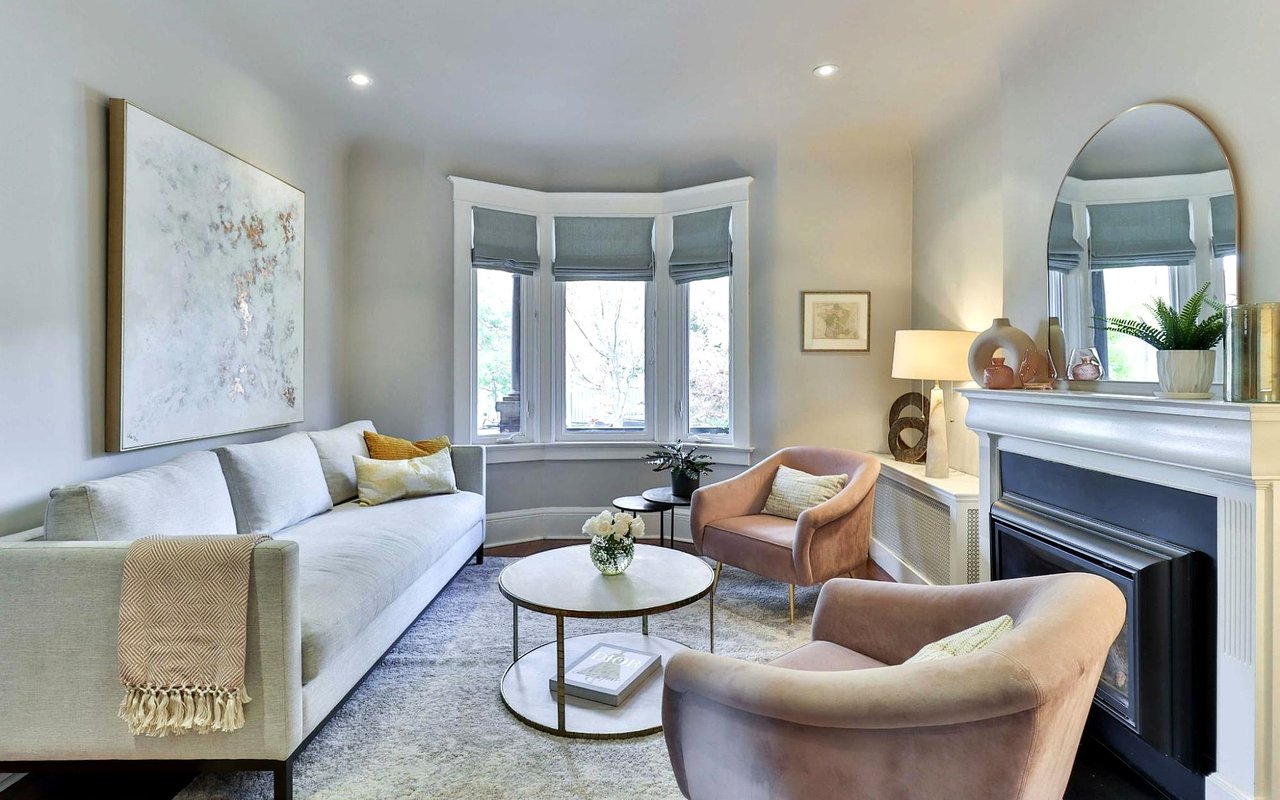
Hang mirrors on walls adjacent to or opposite windows — reflected light effectively doubles what enters the room
-
Swap heavy drapes for sheer or linen curtains to keep light moving freely throughout the day
-
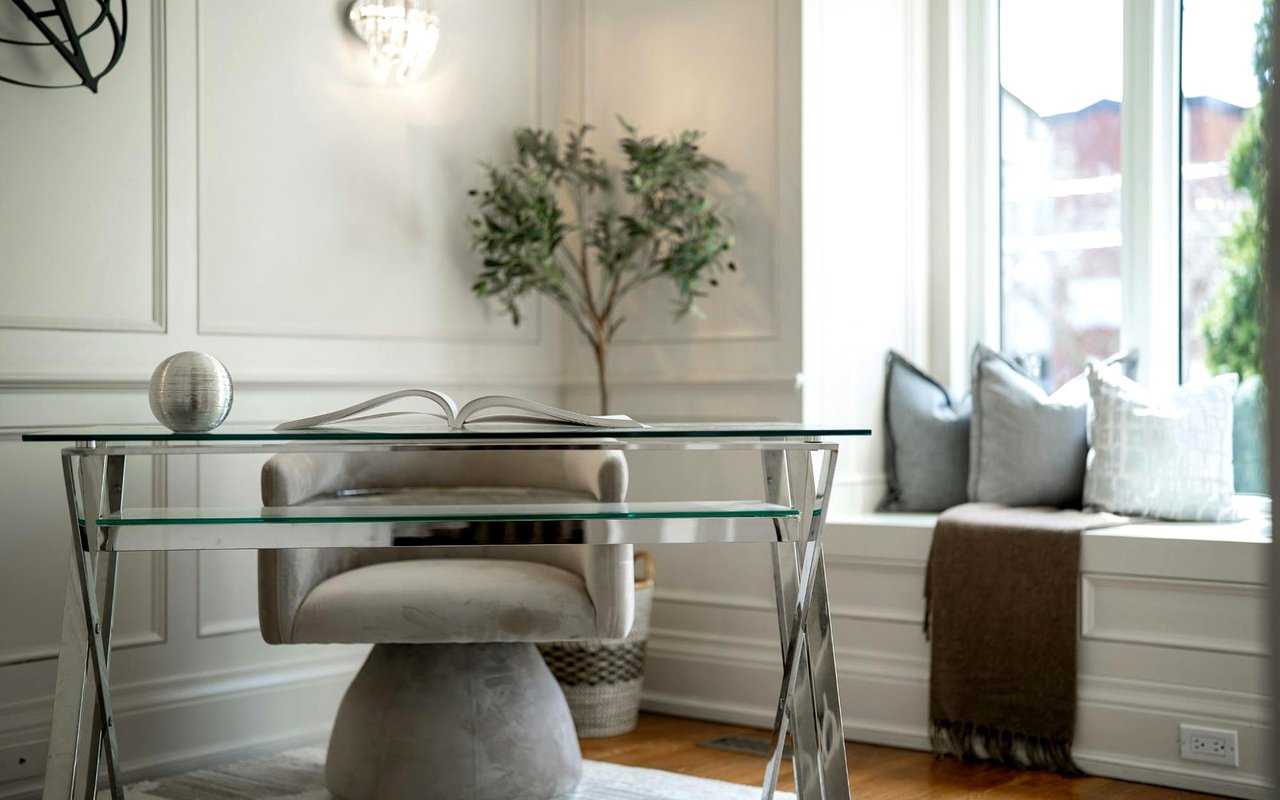
Use glass or lucite furniture pieces near windows rather than solid pieces that block the light path
-
Choose lighter paint finishes for walls and ceilings in rooms that lack direct sun exposure
Choose the Right Bulb Temperature for Each Space
One of the most common mistakes we see in homes that aren't showing at their best is inconsistent or poorly chosen bulb temperature. The color of your light has a profound effect on how a room feels — and how buyers emotionally respond to it during a showing.
A Simple Guide to Bulb Temperature by Room
-
2700K–3000K (warm white): ideal for living rooms, bedrooms, and dining areas — creates a cozy, inviting atmosphere
-
3500K–4000K (neutral white): works well in kitchens, home offices, and bathrooms where clarity and function matter most
-
Avoid cool blue-toned bulbs (5000K+) in residential spaces — they read as sterile and make rooms feel clinical
-
Consistency matters: mixing warm and cool bulbs within the same room creates a disjointed, unsettled effect
Use Lighting to Define Zones and Add Height
In smaller San Francisco homes — studios, one-bedrooms, and open-plan condos especially — lighting can do the work of walls. A pendant over a dining table, a floor lamp anchoring a seating area, or uplighting along a tall bookcase all create definition and structure without consuming any square footage.
Lighting Strategies That Add Structure to Open Spaces
-
Hang a pendant or chandelier to visually anchor a dining area within an open floor plan
-
Place floor lamps at the edges of a seating arrangement to create a distinct "room within a room" effect
-
Install wall sconces to draw the eye horizontally and make a narrow room feel proportionally wider
-
Use uplighting — floor-level fixtures aimed upward — to make ceilings feel taller in rooms with standard height
Frequently Asked Questions
Does lighting actually affect how buyers respond during home showings?
Absolutely — and we see it play out consistently across San Francisco listings. Homes that are well-lit feel larger, cleaner, and more move-in ready than homes with harsh or inadequate lighting, even when the underlying condition of the property is identical. It's one of the simplest, highest-return improvements you can make before going to market.
What's the most impactful single lighting upgrade for a San Francisco condo?
In our experience, replacing all bulbs with warm, consistent bulb temperatures and swapping out dated overhead fixtures delivers the fastest visual return. Adding a well-placed floor lamp to anchor the living area also makes a significant difference without requiring any electrical work or city permits.
How much should we budget for lighting improvements before selling?
It depends on scope, but meaningful results don't require a major investment. We've seen sellers spend $300–$800 on new fixtures, bulbs, and a few well-positioned lamps and generate noticeably stronger responses during showings. For higher-end properties in neighborhoods like Pacific Heights or Cow Hollow, a consultation with a local lighting designer can be worth every dollar.
Let Warrin Team Light the Way
Preparing your San Francisco home to sell — or simply making it feel like the space you've always wanted it to be — starts with the details that buyers and visitors notice the moment they walk in. Here at Warrin Team, we bring a thoughtful, experienced perspective to every stage of the preparation and selling process.
Reach out to us at Warrin Team to start a conversation. Whether you're in Noe Valley, the Marina, Hayes Valley, or anywhere across the city, we're here to help your home put its best foot forward.
Reach out to us at Warrin Team to start a conversation. Whether you're in Noe Valley, the Marina, Hayes Valley, or anywhere across the city, we're here to help your home put its best foot forward.