Looking at a canyon home in Mill Valley? The setting can be extraordinary, with wooded slopes, privacy, and architecture that feels woven into the landscape. But in this part of Marin, a beautiful house is only part of the story, and the land itself often matters just as much. This guide will help you evaluate the practical side of buying a canyon property so you can move forward with more clarity and confidence. Let’s dive in.
Why canyon homes need closer review
Mill Valley’s canyon and hillside neighborhoods sit in steep terrain where access, grading, drainage, views, and wildfire exposure can all shape the ownership experience. The city’s design guidance emphasizes fitting homes to the topography, minimizing cut-and-fill, and preserving privacy, trees, views, and drainage patterns. The city’s safety element also notes that most of Mill Valley is susceptible to landslides because of its steep terrain.
That does not mean canyon homes should be avoided. It means you should evaluate them at the parcel level, with close attention to how the site functions day to day and how it may affect future maintenance, insurance, and improvements.
Terrain affects daily living
Steep lots change how a home works
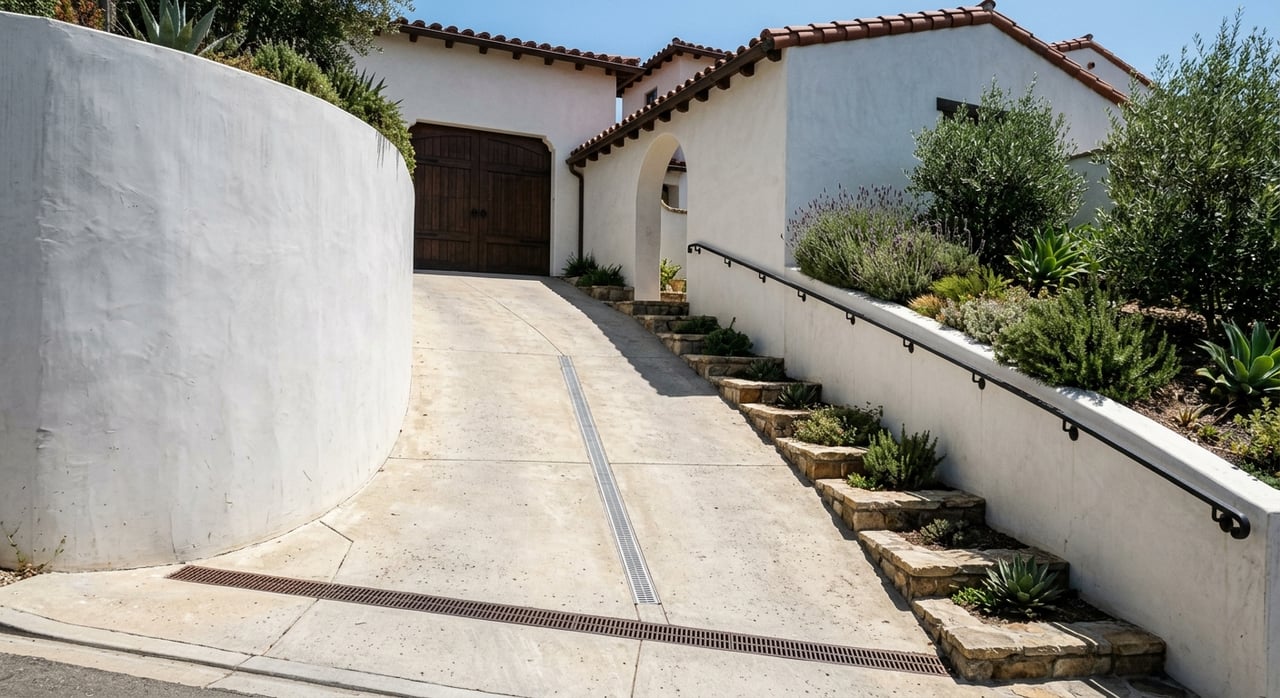
In Mill Valley, a sloped lot can influence almost every part of daily life. Driveways may be steep, stairs may be part of the entry sequence, and retaining walls may be a visible part of the property. Even simple tasks like moving furniture, receiving deliveries, or parking multiple cars can feel different than they would on a flatter site.
The city’s single-family design guidelines say homes on sloped lots should step with the landform and minimize earthwork. The same guidance says retaining walls visible from the right-of-way should be no more than six feet in a single plane, and new driveways should provide safe access, minimize grading, and not exceed a 25 percent slope. Non-slip finishes are required on driveways above 15 percent slope.
Access matters beyond the driveway
A canyon property may offer privacy, but limited access can have tradeoffs. The city discourages material import and off-haul in locations with limited or difficult access, which can become relevant if you plan future renovation work. Narrow approaches can also affect service vehicles, moving trucks, and other practical parts of ownership.
For buyers considering updates, this is especially important. A design idea that feels straightforward on paper may become more complex when access, slope, grading, and review standards all come into play.
Evacuation routes are a key diligence item
Know how many ways out
Mill Valley’s topography constrains the street network, and the city identifies East Blithedale Avenue and Miller Avenue as the primary evacuation routes to Highway 101 and State Route 1. The city’s safety element also flags parcels with fewer than two evacuation routes, including dead-end streets and cul-de-sac areas. That makes egress a property-specific issue, not just a general neighborhood consideration.
The city advises residents to know at least two ways out of their home, workplace, and neighborhood. When you tour a canyon home, it is worth asking not only how you arrive at the property, but also how you would leave in different conditions.
Historic paths are part of the setting
Mill Valley has more than 175 historic steps, lanes, and paths. The city says many of these narrow routes were originally built because roads were difficult or expensive to improve due to narrowness and slope. These pathways add character and can improve pedestrian connectivity, but they do not replace the need to understand vehicle access and evacuation options for a specific parcel.
Wildfire risk should be assessed early
Fire exposure varies by parcel
For canyon homes, wildfire exposure is a core part of the buying decision. The City of Mill Valley’s safety element map shows parcels in Moderate, High, and Very High Fire Hazard Severity Zones, and Marin County maintains an official fire hazards map for the county. In other words, two homes with a similar Mill Valley address may still present different risk profiles depending on exact siting and surroundings.
This is one reason broad assumptions can be misleading. A thoughtful purchase decision should look at the specific property, the vegetation around it, access conditions, and the home’s current level of fire readiness.
Home hardening and defensible space matter
CAL FIRE says wildfire readiness starts with home hardening and defensible space. On its official guidance, home hardening means using ignition-resistant materials that help a home withstand embers and radiant heat. CAL FIRE also recommends flame- and ember-resistant vents or corrosion-resistant mesh, while noting that some local agencies may have stricter standards than the state minimum.
Mill Valley’s own design guidelines also encourage defensible space, fire-resistant species, and plant or material choices that minimize fire hazards. For a buyer, this means it is wise to look beyond aesthetics and ask how the home and landscape have been maintained with fire resilience in mind.
Insurance should be part of early planning
Get quotes before you are deep in escrow
Insurance should be checked early for any canyon or hillside purchase. The California Department of Insurance says homeowners who are turned down or non-renewed can apply for coverage through the FAIR Plan. The FAIR Plan also says policyholders can receive wildfire safety discounts for hardening their properties.
For steep canyon properties, insurance quotes are best treated as an early diligence step rather than a last-minute item before closing. That helps you understand both availability and cost while you still have time to evaluate the full picture of ownership.
Light, privacy, and views often intersect
Scenic settings still require careful review
One of the major draws of a canyon home is the sense of retreat. You may find filtered light through mature trees, framed hillside views, and architecture designed to capture outlooks without feeling exposed. But in hillside settings, privacy and light often need to be balanced more carefully than buyers expect.
Mill Valley’s guidelines say window and skylight placement should maximize privacy and minimize lantern effect, light pollution, and glare. The city also says roof decks and upper-floor balconies should be located to avoid privacy and noise impacts on adjacent lots.
Landscaping shapes both privacy and views
The city’s guidance also says landscape design should maximize privacy between residences, soften off-site views of new construction, and consider the future impact of planting on existing adjacent and distant views. In practical terms, the landscaping that makes a property feel secluded today may also affect light, maintenance, and view lines over time.
That is why it helps to look at the home during different times of day if possible. A canyon setting can feel beautifully sheltered, but the experience of light and privacy may shift more than it would on a more open lot.
Trees and site character deserve attention
Mature vegetation is both an asset and a constraint
In wooded parts of Mill Valley, mature trees are often central to the property’s appeal. They create canopy, screening, and a strong sense of place. They can also play a role in soil stability and the broader visual character of the hillside.
The city says existing vegetation can aid soil stability, provide canopies and screening, and enhance Mill Valley’s landscape character. The same guidelines tell designers to minimize grading near heritage trees and major root structures, and they identify heritage tree species that include coast redwood.
Future changes may be more limited than expected
If you are considering a remodel, deck expansion, solar placement, or changes to retaining walls, trees and root zones can become a major factor. A site that feels large on paper may have meaningful constraints once tree protection, slope conditions, and view-sensitive landscaping are taken into account.
Architecture in Mill Valley can vary widely
Expect both character homes and modern hillside design
Mill Valley’s architectural fabric includes a wide range of styles. The city’s historic survey lists Vernacular, First Bay Tradition, Queen Anne, Italianate, Second Bay Tradition, Tudor, Craftsman, Colonial Revival, Spanish Colonial Revival, Classical Revival, and Art Deco. The city’s preservation materials also note notable postwar Modernist examples, including Midcentury Modern and Second and Third Bay Tradition work.
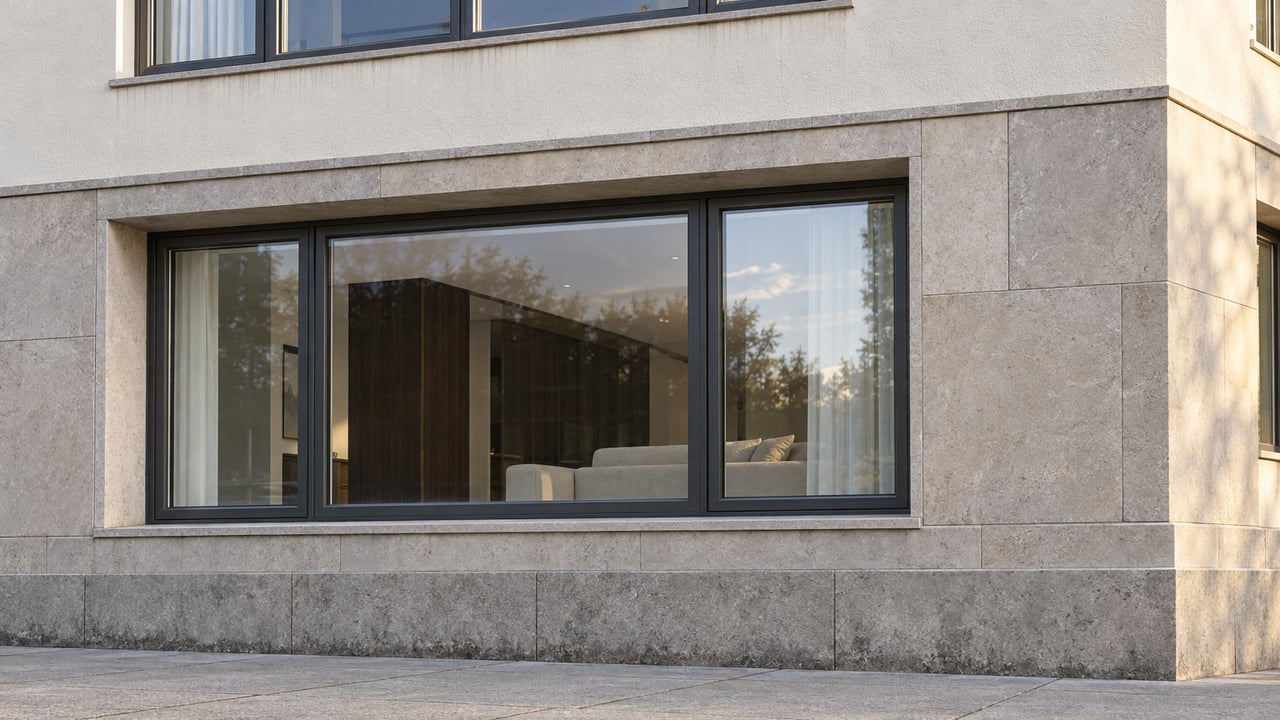
For buyers, this means canyon homes can range from older character residences dating roughly from 1890 to 1920 to later architect-driven hillside properties. Some homes prioritize period detail and intimacy, while others lean into glass, volume, and stronger indoor-outdoor connections.
Design matters, but so does fit with site
In this setting, architecture should not be evaluated only by style. The better question is often how well the house fits the land. A home that steps naturally with the slope and responds thoughtfully to privacy, drainage, and access may offer a more durable long-term experience than one that simply delivers a dramatic first impression.
Questions to ask before buying
Use a parcel-level checklist
When you are evaluating a canyon home in Mill Valley, these questions can help you focus on what matters most:
- Has the property had a geotechnical or soils review?
- Are there signs of settlement, drainage failure, or past slope movement?
- Is the driveway steep, narrow, or difficult for service vehicles, moving trucks, or fire apparatus?
- How many ways out does the parcel have?
- Does access depend on a dead-end street, cul-de-sac, or one-way connection?
- Is defensible space already established, and what vegetation will need ongoing maintenance?
- Are there heritage trees, protected trees, or vegetation patterns that could affect future improvements?
- If you plan to remodel, how might Mill Valley’s design review process affect massing, setbacks, windows, decks, grading, and retaining walls?
- What does the insurance picture look like at this specific address, including standard homeowners coverage and FAIR Plan backup options if needed?
These are not small details. In many canyon purchases, they are central to whether a property feels effortless to own or more complex than expected.
A thoughtful approach pays off
Mill Valley canyon homes can offer privacy, scenery, and distinctive architecture that are difficult to replicate elsewhere in Marin. The tradeoff is that terrain, evacuation, wildfire mitigation, drainage, and long-term maintenance deserve careful review before you close. When you understand those factors early, you are in a far better position to choose a home that fits both your lifestyle and your comfort level.
If you are considering a canyon property in Mill Valley or elsewhere in Marin, The Warrin Team offers discreet, highly personalized guidance to help you evaluate the details that matter most.
FAQs
What should you look at first when buying a canyon home in Mill Valley?
- Start with the site itself, including slope, driveway access, drainage, and how the home is positioned on the land.
Why do evacuation routes matter for Mill Valley canyon homes?
- Mill Valley’s safety element identifies parcels with fewer than two evacuation routes, so you should understand how many ways out a specific property has.
How does wildfire risk affect a Mill Valley canyon home purchase?
- Wildfire exposure can vary by parcel, so you should review the property’s fire hazard setting, defensible space, and home-hardening features early in the process.
When should you check insurance for a canyon home in Marin?
- Insurance quotes should be part of early due diligence, not a late-stage task, especially for steep or wooded properties.
Can trees affect future remodeling plans for a Mill Valley hillside property?
- Yes, heritage trees, root zones, and protected vegetation can influence future plans for grading, retaining walls, decks, and other improvements.
What types of architecture might you see in Mill Valley canyon neighborhoods?
- Buyers may encounter older character homes, including Craftsman and Tudor influences, as well as later Modernist and hillside designs.