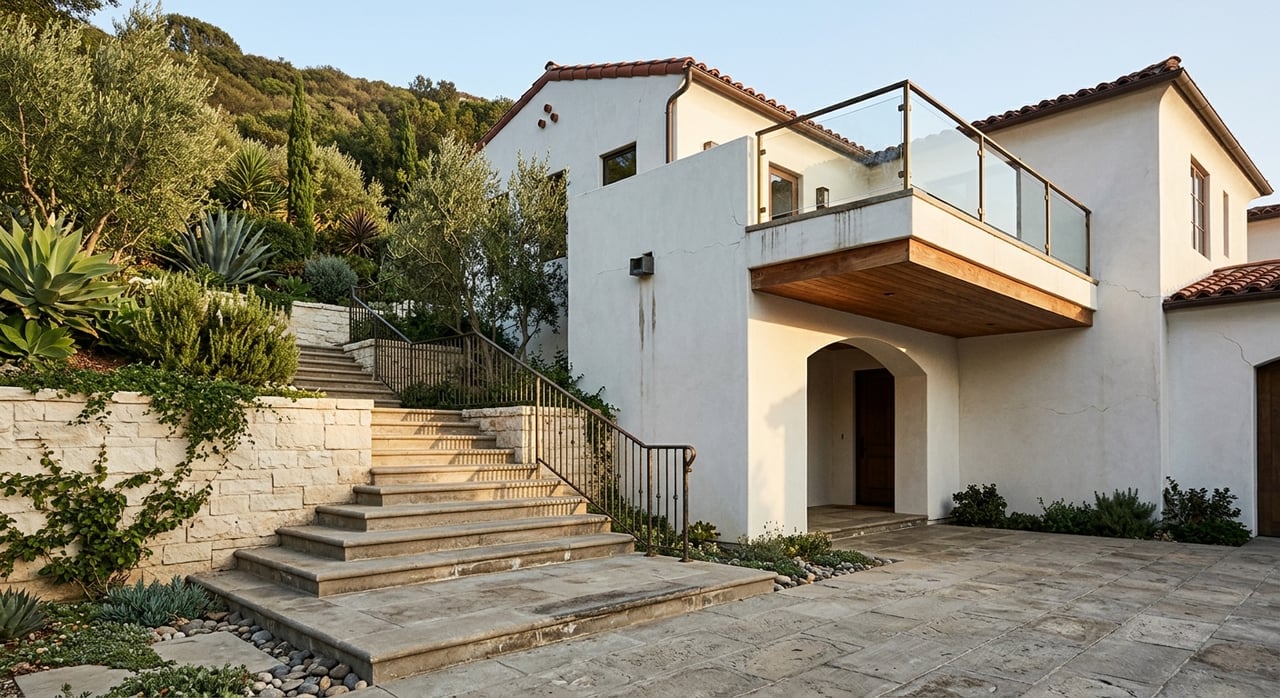
Wondering what it really means to buy a home in Sausalito? In a market this distinctive, your choice is not only about price or style. It is also about setting, ownership structure, and the day-to-day realities of living on the water, on a hillside, or in a waterfront condominium. If you are weighing Sausalito against other Marin options, this guide will help you understand the tradeoffs so you can choose with more clarity and confidence. Let’s dive in.
Why Sausalito Buying Is Different
Sausalito is a compact waterfront city of about 7,100 people spread across just 2.257 square miles, with roughly 2.5 miles of shoreline, according to the City of Sausalito. That small footprint shapes the housing stock in a very practical way.
When you buy here, you are often choosing between three very different living experiences: a floating home, a hillside home, or a waterfront condo. In nearby southern Marin communities, buyers may focus mostly on neighborhood and house style. In Sausalito, you are often comparing water, slope, or shared-building ownership.
That distinction matters because each option comes with its own financing considerations, maintenance profile, and long-term planning needs. The right fit depends on how you want to live and how much complexity you are comfortable managing.
Floating Homes in Sausalito
What a floating home is
Marin County defines a floating home as a full-time residence that floats on water, has no motor, depends on shore-side utilities, and has a permanent connection to shore-side sewage. The county also notes that floating homes are assessed as real property rather than vessels, which is an important distinction for ownership and taxation. You can review that framework through Marin County’s floating home assessment guidance.
This is a real and highly specific housing category in the Sausalito area. The local floating-home association represents more than 400 homes in five marinas, and Marin County has cited about 425 floating homes in the county, making this a niche market rather than a common regional housing type.
Why buyers love them
For some buyers, floating homes offer a lifestyle that is difficult to replicate anywhere else in Marin. You are living directly on the Bay, with a close connection to the water and a community identity that feels distinct from a traditional street-and-lot neighborhood.
The Floating Homes Association also highlights the efficient use of space, water, heat, and light that can come with this style of living. For the right buyer, the draw is not just the view. It is the experience of living in a truly waterborne setting.
What ownership really looks like
This is where many buyers need the clearest guidance. In most Sausalito floating-home marinas, you own the home itself, but you rent the berth or slip where it sits.
That means the marina owner typically owns the underlying land, docks, utility lines under the dock, parking areas, and common infrastructure. The floating-home association says berth fees often run around $1,000 per month, though they vary by berth and home size, and those fees usually cover water, garbage, sewage, parking, and common-area maintenance.
Financing, insurance, and flood questions
Although floating homes are treated as real property by the county, buyers should still expect more nuance than they would with a standard detached home. The berth lease, marina rules, and shared infrastructure can affect how lenders and insurers review the property.
Flood-zone review should also happen early. FEMA’s flood insurance guidance explains that homes in high-risk flood areas with government-backed mortgages are required to carry flood insurance, and National Flood Insurance Program policies usually have a 30-day waiting period unless coverage is required at closing.
Marin County also notes that floating-home berth rent and lease terms are a current issue in local affordability discussions. In practical terms, that means buyers should carefully review both the home and the marina framework before writing an offer.
Who floating homes suit best
Floating homes are often the best fit if your top priority is an on-the-water lifestyle and you are comfortable with berth fees, marina rules, and weather exposure. They tend to be less ideal if you want the simplest financing path or prefer to avoid specialized ownership structures.
Hillside Homes and View Properties
Why hillsides are part of the Sausalito story
Sausalito’s topography is one of the reasons buyers are drawn here in the first place. Hillside homes can offer privacy, dramatic outlooks, and a more traditional land-ownership structure than floating homes.
At the same time, hillside ownership in Sausalito comes with real due diligence. The city’s geologic hazard mapping identifies steep-slope areas around places such as Wolfback Ridge, upper Old Town and Hurricane Gulch, Spring Street Valley, and Nevada Street valleys as landslide-prone zones, according to the city’s geologic hazard materials.
What to check before you buy
A hillside home may feel more familiar from a title perspective, but it often requires more investigation than a flatter property. Permit history matters, especially for decks, retaining walls, drainage improvements, additions, and major remodels.
The City of Sausalito planning permit process states that planning permits are required for almost all changes to a residential building. The city also notes that hillside projects can require additional grading, staging space, cranes, height-limit review, and service-availability checks.
Renovation and maintenance realities
If you plan to improve a hillside property after closing, the terrain itself can influence cost and timing. Access may be more limited, construction logistics can be more involved, and approvals may require outside-agency review.
Sausalito also requires a drainage and erosion-control plan for rainy-season ground disturbance, and the Sausalito Marin City Sanitary District requires a compliance certificate for private laterals when title transfers or when remodel or construction exceeds $50,000. Some parcels may also fall within very high fire severity zones, which is another reason to review property-specific disclosures carefully.
Who hillside homes suit best
Hillside homes are often a strong fit if you want land ownership, architectural character, and elevated views without marina rules. They are usually best for buyers who are prepared to spend time on permit review, drainage questions, and site-specific maintenance planning.
Waterfront Condos Near the Bay
Why condos appeal to many buyers
If you want proximity to the water with a more conventional ownership structure, a waterfront condo can offer a helpful middle ground. You usually get less exterior maintenance responsibility than with a detached home and none of the berth-slip structure that comes with a floating home.
For many buyers, that simplicity is the main advantage. The tradeoff is that you are buying into a shared building, shared systems, and shared financial governance.
HOA costs and project review
The Consumer Financial Protection Bureau notes that condo or HOA dues are typically paid directly to the association and are usually not included in your mortgage payment. That makes it important to budget for dues separately from principal, interest, taxes, and insurance.
Project-level review is equally important. Research in this market should include the HOA budget, reserve study, master insurance policy, and any planned capital work or special assessments. Lenders also look closely at project eligibility, insurance coverage, legal issues, and the physical condition of the building.
Shoreline exposure still matters
Even with a standard condo, the shoreline context does not disappear. Sausalito’s shoreline adaptation planning notes projected sea-level rise of 10 inches by 2050 and 37 inches by 2100, and it frames the challenge around impacts to transportation, utilities, and Bay access.
So if you are buying a waterfront condo, it is wise to think beyond the unit itself. You will want to consider flood exposure, access routes, building resilience, insurance, and whether future capital improvements could affect ownership costs over time.
Who waterfront condos suit best
Waterfront condos are often the best fit if you want a lower-maintenance lifestyle near the Bay and are comfortable with HOA dues and project-level document review. They are less ideal if you want full control over the building or prefer to avoid shared financial decision-making.
How to Choose the Right Fit
If you are deciding among Sausalito’s main property types, this simple framework can help:
- Choose a floating home if direct Bay living matters most and you are comfortable with berth rent, marina rules, and flood-aware planning.
- Choose a hillside home if you want land ownership and views and are prepared for terrain, drainage, and permit complexity.
- Choose a waterfront condo if you want the easiest day-to-day maintenance profile and are comfortable reviewing HOA finances and building-wide conditions.
This is why buying in Sausalito often feels different from buying elsewhere in southern Marin. You are not only choosing a home. You are choosing a structure of ownership and a set of physical risks and responsibilities.
A Smart Buyer Checklist
Before you write an offer, focus your due diligence on the property type in front of you.
For floating homes
- Review the berth lease carefully
- Read marina rules and operating terms
- Confirm monthly berth fees and what they cover
- Check flood-zone status and insurance timing
- Understand who maintains docks, utilities, and common areas
For hillside homes
- Verify permits for decks, walls, additions, and drainage work
- Review slope, drainage, and erosion conditions
- Ask about access constraints for future improvements
- Confirm sewer lateral compliance requirements
- Evaluate disclosure materials for geologic and fire-related considerations
For waterfront condos
- Review HOA dues and monthly ownership costs
- Read the budget, reserve study, and master insurance policy
- Ask about special assessments and deferred maintenance
- Check lender project eligibility early
- Consider shoreline exposure and long-term building planning
Final Thoughts on Buying in Sausalito
Sausalito offers one of the most distinctive buyer experiences in Marin because the lifestyle choices are so closely tied to the property type itself. Whether you are drawn to a floating home, a dramatic hillside residence, or a low-maintenance waterfront condo, the best decision usually comes from matching the setting to your comfort level with complexity, maintenance, and long-term planning.
If you want a thoughtful, discreet strategy for evaluating Sausalito property options, The Warrin Team can help you compare opportunities with clarity and confidence. Request a Private Consultation to discuss your goals and the ownership structure that fits you best.
FAQs
What makes buying a home in Sausalito different from other Marin markets?
- Sausalito stands out because buyers are often choosing among floating homes, hillside homes, and waterfront condos, each with a different ownership structure, maintenance profile, and financing path.
What should you know before buying a floating home in Sausalito?
- You should understand that you typically own the home but rent the berth, which means reviewing berth fees, marina rules, shared infrastructure responsibilities, and flood insurance questions early.
What should you review before buying a hillside home in Sausalito?
- You should check permit history, drainage and erosion issues, retaining walls, decks, additions, and any site-specific geologic or fire-related disclosures tied to the property.
What should you review before buying a waterfront condo in Sausalito?
- You should review HOA dues, reserves, the budget, master insurance, special assessments, deferred maintenance, and any shoreline-related risks that could affect access or future costs.
Do Sausalito buyers need flood insurance?
- If the property is in a FEMA Special Flood Hazard Area and the mortgage is government-backed, flood insurance is required, and even outside those zones it is smart to check flood-map status early.
Are HOA dues or berth fees included in your mortgage payment for a Sausalito home?
- No. Condo HOA dues are usually paid separately from the mortgage, and floating-home berth fees are also separate from the home purchase and financing.