If you picture condo living in Pacific Heights as a glassy high-rise with a long amenity list, you may be looking in the wrong neighborhood. Here, the appeal is often far more nuanced: a handsome low-rise building, a park-facing outlook, a quiet residential block, or a short walk to the Fillmore corridor. If you are considering a condo in Pacific Heights, understanding the building, the block, and the slope can help you make a smarter decision. Let’s dive in.
Why Pacific Heights Feels Different
Pacific Heights is shaped by topography, architecture, and views. San Francisco’s General Plan describes the area through its north-slope pattern of building heights, Bay outlooks, distinguished residences, Victorian-era examples, and landscaped streets.
That matters because condo living here is rarely just about the unit itself. In Pacific Heights, buyers often weigh building character, how the structure fits the street, and what the outlook feels like day to day just as much as they weigh finishes inside the home.
Boutique Buildings Define the Market
In many parts of Pacific Heights, the condo experience is more boutique than tower-like. A Planning Department case tied to 2429 California Street describes the Upper Fillmore area as a corridor of one- and three-story mixed-use buildings, restaurants, neighborhood-serving retail, and multiple-unit residential buildings.
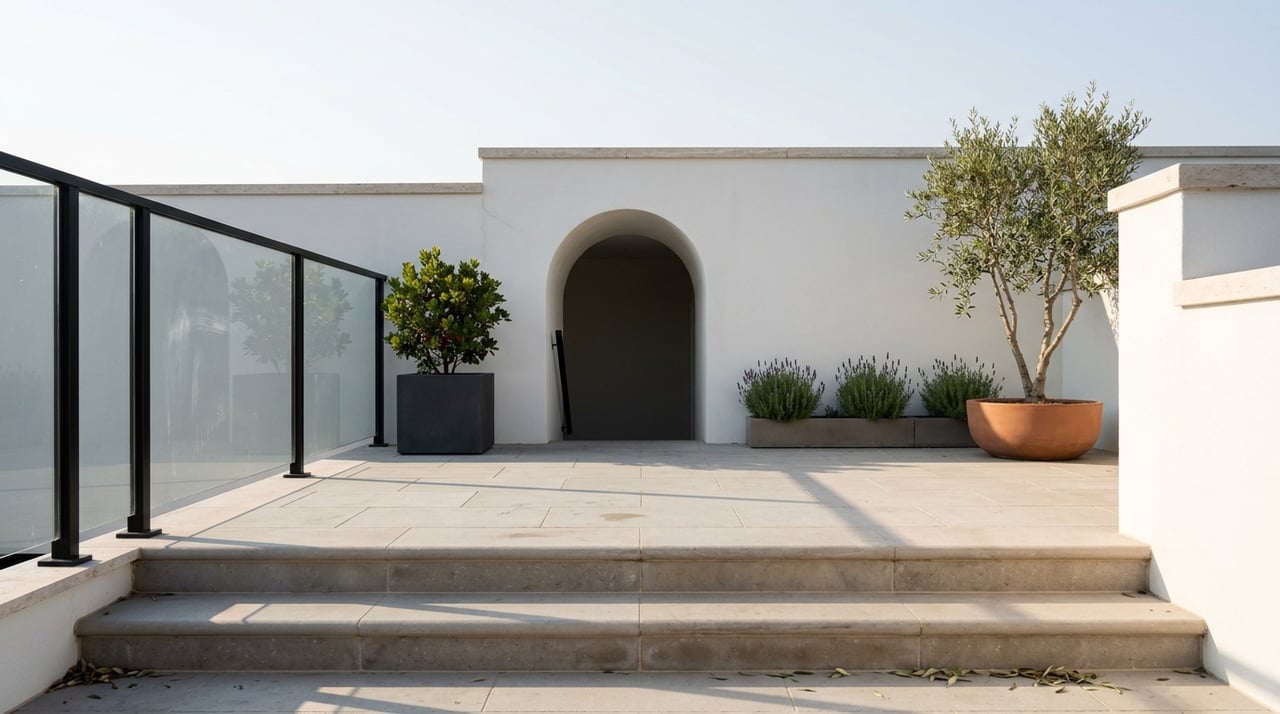
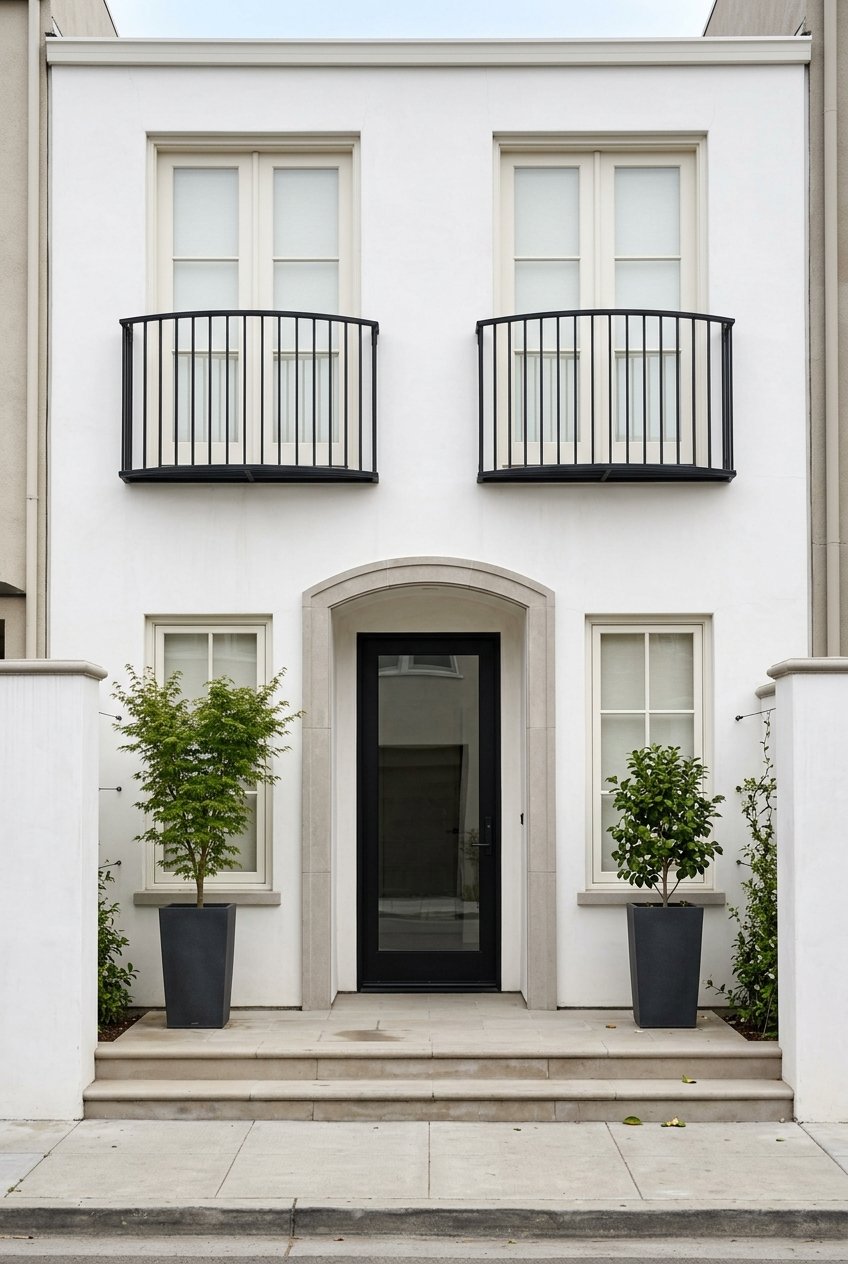
In practical terms, that often means the condo options you encounter are low-rise buildings, smaller apartment houses, or conversions rather than large amenity-driven developments. For many buyers, that is part of the appeal. The building can feel more residential, more architectural, and more connected to the block around it.
Older Buildings Need a Closer Look
Pacific Heights includes historic building stock, and that can bring both charm and complexity. Original details, scale, and materials may create a strong first impression, but older buildings also require careful review of systems, maintenance, and access.
That is why boutique condo shopping here usually calls for a more detailed lens. You are not simply buying square footage. You are evaluating how a smaller building is run and how well it has adapted to modern living.
How Location Changes Daily Life
Not all Pacific Heights condo living feels the same. A few blocks can change your experience in meaningful ways, especially when it comes to views, noise, convenience, and how much slope you navigate every day.
Alta Plaza Park Edge
Alta Plaza Park sits at Jackson and Steiner and offers Bay views, terraced open space, a panoramic viewing bench, playground areas, picnic space, tennis, pickleball, basketball, and an off-leash dog area. Buildings near the park often feel quieter and more view-oriented.
Living near Alta Plaza can also mean a steeper, more topography-sensitive daily routine. Stairs, hillside access, and park activity may shape your experience more than nearby retail does.
Lafayette Park Edge
Lafayette Park is an 11.5-acre public park bounded by Laguna, Sacramento, Gough, and Washington Streets. The park includes lawns, city and bay views, tennis, playground space, and an off-leash dog area.
For condo buyers, park adjacency can be a major value driver. It can also make outlook, privacy, and orientation especially important, since a meaningful part of the property experience may be tied to what the unit faces and how close it sits to public open space.
Upper Fillmore and California Core
The Upper Fillmore corridor stretches from Bush to Jackson and extends onto California and Pine, according to the Planning Department report. This area includes restaurants, mixed-use buildings, multiple-unit residential properties, and neighborhood-serving retail.
If you want convenience, this part of Pacific Heights may feel especially practical. You may trade a bit of quiet for easier daily access to cafés, groceries, services, and transit connections.
Transit Matters More Than You Think
Pacific Heights is well served by transit. SFMTA lists the California Cable Car, 1 California, 22 Fillmore, 24 Divisadero, 45 Union/Stockton, and 49 Van Ness/Mission among the neighborhood’s service options.
For condo living, that can influence how much you rely on a car. If your building sits near a useful corridor or an easy transfer point, your day-to-day mobility may be simpler than you expect in a hill neighborhood.
What to Value in a Boutique Condo
In Pacific Heights, a condo’s value often comes from a blend of visible and less visible factors. Finishes matter, but they are only part of the story.
Here are a few of the features buyers often weigh most carefully:
- Building character and architectural presence
- Unit orientation for light, noise, and views
- Elevator access, especially on steeper blocks
- Parking and storage arrangements
- HOA size and governance style
- Reserve strength and maintenance planning
- Park, residential, or corridor-facing location
A beautiful interior may catch your eye first. In a boutique building, however, the quality of the overall ownership experience often depends on the structure behind the walls and the way the property is managed.
Questions to Ask When Touring
Because Pacific Heights combines slope, older buildings, and block-by-block variation, your touring checklist should go beyond aesthetics. The most important questions often center on building systems, access, and HOA operations.
Start With the Building Basics
Ask about the building’s age and legal ownership structure. It is also helpful to understand whether the property is a condo conversion or a purpose-built condo, since that can shape how the building functions and what buyers should review.
Review Repairs and Upgrades
Older low-rise buildings deserve close attention to structural and system updates. Ask whether owners have completed seismic or structural work and whether any deferred maintenance items remain.
You should also ask about pending special assessments. In smaller HOAs, even a single major project can have a noticeable effect on ownership costs.
Understand HOA Health
In boutique buildings, HOA governance plays an outsized role. Ask how many units share the HOA, what reserves exist, and how those reserves compare to the building’s age and systems.
A well-run small HOA can feel efficient and personal. A poorly planned one can create uncertainty, especially in buildings with aging infrastructure.
Clarify Everyday Logistics
Small-building living works best when the practical details are clear. Ask how pet rules, rental rules, trash, package delivery, laundry, and storage are handled.
Parking deserves special attention in Pacific Heights. Find out whether the unit includes deeded parking, leased parking, or whether street parking is expected to carry most of the load.
A Simple Comparison of Micro-Locations
| Area | Typical Feel | What to Watch |
|---|---|---|
| Alta Plaza Park edge | Quiet, view-oriented, topography-driven | Slope, stairs, access, park activity |
| Lafayette Park edge | Park-adjacent, open outlooks, residential | Privacy, orientation, value tied to park setting |
| Upper Fillmore/California core | Convenient, walkable, service-rich | More activity, noise, mixed-use surroundings |
How to Match the Right Building to You
The best Pacific Heights condo is not always the one with the most dramatic finishes. It is the one that fits how you actually want to live.
If you value quiet and outlooks, you may prefer a park-edge address where the building feels tucked into the hillside. If daily convenience matters more, a location near Fillmore or California may offer a smoother routine with shops, services, and transit close by.
In either case, it helps to think of Pacific Heights as a highly block-specific market. The neighborhood is less about standard condo product and more about finding the right blend of architecture, access, and day-to-day ease.
Pacific Heights condo living can be deeply rewarding when you choose with care. The charm here often comes from boutique scale, architectural presence, and a location that fits your habits as much as your design preferences. If you want thoughtful guidance on Pacific Heights condos and other premier San Francisco opportunities, The Warrin Team is here to help with a discreet, informed approach.
FAQs
What makes Pacific Heights condo buildings feel boutique?
- Many condo options in Pacific Heights are found in low-rise buildings, smaller apartment houses, mixed-use properties, or conversions rather than large amenity towers.
How does park adjacency affect condo living in Pacific Heights?
- Buildings near Alta Plaza Park or Lafayette Park may offer quieter surroundings and stronger outlooks, but buyers should pay close attention to privacy, orientation, slope, and how much value is tied to the park setting.
What should you ask when touring a Pacific Heights boutique condo?
- Ask about the building’s age, ownership structure, seismic or structural work, HOA reserves, special assessments, parking, storage, elevator access, and the unit’s light, noise, and view orientation.
Is Pacific Heights convenient for transit?
- Yes. SFMTA lists several transit options serving the neighborhood, including the California Cable Car and multiple bus lines, which can reduce car dependence for some residents.
Are all Pacific Heights condo locations similar?
- No. Park-edge blocks often feel more residential and view-driven, while the Upper Fillmore and California Street areas tend to feel more active, walkable, and convenience-oriented.