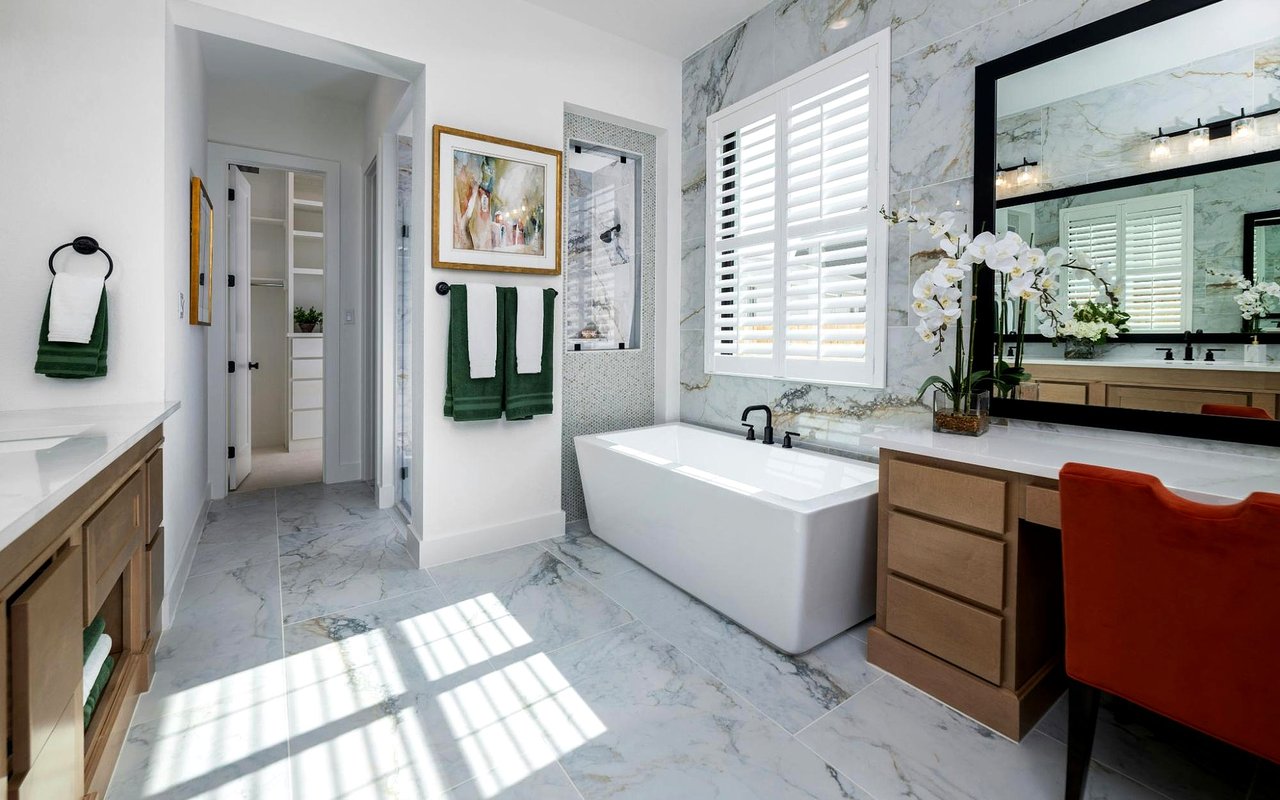
Indoor air quality is a critical aspect of maintaining a healthy living environment. With modern homes being more tightly sealed to conserve energy, fresh air circulation is often limited, which can lead to the buildup of pollutants and allergens. Understanding how to improve the air quality of your home can significantly impact your family’s health and comfort. This guide unveils how to improve the air quality of your home.
Ventilation Strategies
Adequate ventilation is essential for circulating fresh air and expelling indoor pollutants. Installing exhaust fans in bathrooms and kitchens and utilizing whole-house ventilation systems can help maintain optimal air quality. Opening windows periodically, especially during mild weather, can further enhance ventilation and air circulation within the home.
Humidity Control
Controlling humidity levels is crucial for preventing mold growth and reducing allergens. Dehumidifiers can maintain an optimal humidity level of 30-50%, while humidifiers can add moisture to dry air in winter or dry climates. Monitoring humidity levels with a hygrometer and adjusting humidity control devices accordingly can help maintain a comfortable and healthy indoor environment.
Regular Cleaning
Regular cleaning reduces indoor pollutants such as dust, pet dander, and mold. Using a vacuum cleaner with a filter, washing bedding and fabrics regularly, and reducing clutter can significantly improve air quality. A consistent cleaning schedule for high-touch surfaces like doorknobs, light switches, and countertops can help minimize the spread of germs and allergens.
Indoor Plants
Certain indoor plants have been shown to remove toxins from the air. However, it is essential to balance the number and type of plants to avoid mold growth from over-watering. Placing plants strategically throughout the home, such as in living areas and bedrooms, can enhance both air quality and aesthetic appeal.
Low-VOC Products and Materials
Conventional household products and materials can release volatile organic compounds (VOCs) into the air, affecting indoor air quality. Opting for low-VOC or VOC-free products and natural cleaning agents can minimize emissions. When selecting building materials for home renovations or interior design, choosing low-emission options can contribute to a healthier indoor environment for you and your family.
Air Purification
Air purifiers can remove particulate matter and gaseous pollutants from the air, enhancing indoor air quality. Choosing an air purifier with multiple filtration stages, including activated carbon filters for odor removal, can further improve the effectiveness of air purification.
HVAC Maintenance
Regular maintenance of HVAC systems, including filter replacement and duct cleaning, is essential for air quality. Professional cleaning of air ducts can remove accumulated dust and mold, improving system efficiency. Scheduling annual HVAC inspections can identify potential issues early and ensure optimal performance throughout the year.
Source Control
Controlling sources of indoor pollution, such as tobacco smoke and cooking fumes, is crucial for maintaining clean air. Carbon monoxide and radon detectors can also mitigate health risks associated with these gases. Investing in smoke-free alternatives for cooking, such as induction cooktops, can minimize indoor air pollution while maintaining culinary enjoyment.
Shoe-Free Policy
Implementing a shoe-free policy can reduce the amount of dirt and pollutants tracked into the home. A designated area for shoes at the entrance can help prevent contaminants from spreading. Encouraging guests to remove their shoes upon entering can also promote a cleaner indoor environment for everyone in the household.
Pet Care
Pets can contribute to indoor air pollution through dander, fur, and tracked-in dirt. Regular grooming, cleaning of pet bedding and toys, and keeping pets out of certain areas can help reduce pollutants. Additionally, incorporating air purifiers with specialized pet filters can effectively capture pet-related allergens and odors, improving overall indoor air quality.
Awareness and Education
Understanding the sources and effects of indoor air pollutants is essential for making informed decisions. Public health agencies and environmental organizations offer resources and guidelines for maintaining healthy indoor air quality. Sharing information with family members, roommates, and colleagues can foster a collective commitment to air quality improvement and promote long-term health and well-being.
Natural Ventilation Methods
In addition to mechanical ventilation systems, natural ventilation methods can further enhance indoor air quality. Opening windows strategically to create cross-ventilation can facilitate the exchange of indoor and outdoor air, reducing the concentration of pollutants. Window vents and trickle ventilators allow continuous airflow, maintaining security and energy efficiency. Incorporating architectural features such as atriums, skylights, and operable clerestory windows can maximize natural light and ventilation, promoting a healthier and more comfortable indoor environment.
Indoor Air Quality Monitoring
Regular monitoring of indoor air quality parameters can provide valuable insights into the effectiveness of air quality improvement measures. Utilizing indoor air quality monitors that measure levels of particulate matter, volatile organic compounds, carbon dioxide, humidity, and temperature can help identify potential issues and track progress over time. Integrating smart home technology with air quality monitoring systems allows for real-time monitoring and remote access to data, enabling proactive adjustments to ventilation, filtration, and other air quality interventions.
Enhance Your Home's Air Quality with Expert Guidance
Improving the air quality of your home requires a comprehensive approach that addresses ventilation, humidity control, cleaning practices, and source control. By implementing these strategies, you can create a healthier indoor environment that promotes the well-being of your family.
Are you ready to create a healthier living environment for your family? Whether you're searching for a home with advanced ventilation systems or natural lighting, contact the Applegarth + Warrin team today to make your dream home a reality.
*Header photo courtesy of Applegarth + Warrin