By The Warrin Team
San Francisco rewards those who arrive prepared. It's a city of distinct neighborhoods, real microclimates, and a real estate market that moves on its own terms. Getting the most out of relocating to San Francisco means making smart decisions before the moving truck arrives.
Key Takeaways
- San Francisco's 49 square miles contain dramatically different neighborhoods — choosing the right one shapes everything about daily life
- The city's transit network runs on Muni, BART, and Caltrain, making car-free living genuinely viable in most areas
- Fall is widely considered the best time to move, with clearer skies and more stable weather than summer
- The luxury market moves quickly and often off-market — local expertise is essential for buyers at the top end
Choose Your Neighborhood Carefully
No decision matters more when relocating to San Francisco than where you land. The city packs nearly 20 distinct neighborhoods into its footprint, and the differences between them are significant — in character, price, microclimate, and day-to-day feel.
Neighborhoods Worth Understanding Before You Commit
- Pacific Heights sits on a prominent ridge with panoramic views of the Golden Gate Bridge and the Bay, and is defined by grand Victorian and Edwardian mansions along streets like Broadway and Vallejo
- Noe Valley, sheltered from the city's fog, offers sunny streets, a walkable 24th Street corridor with a beloved farmers market, and excellent access to tech shuttles and BART for commuters heading south to Silicon Valley
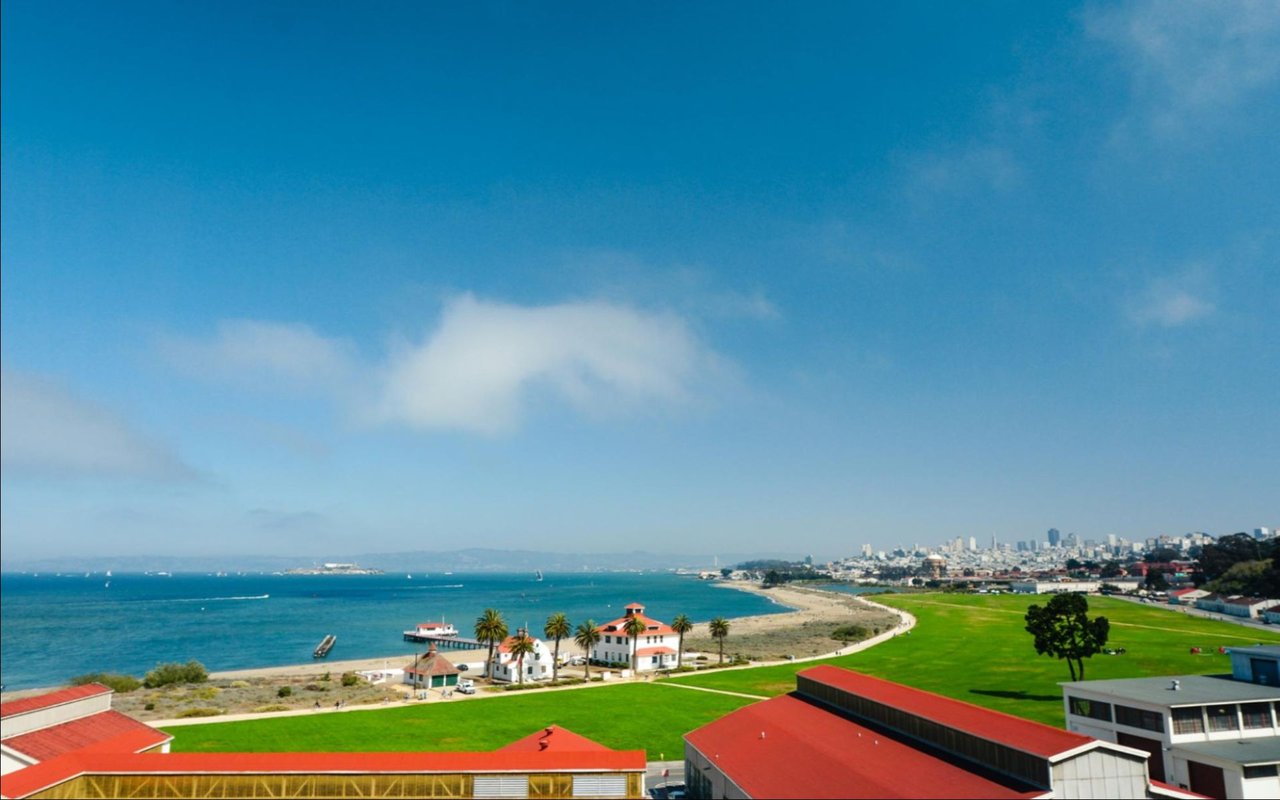
- The Marina runs along the northern waterfront with flat, walkable streets, boutique shopping on Chestnut Street, and easy access to Crissy Field and the Presidio
- Presidio Heights, tucked between Pacific Heights and the Richmond District, offers a quiet, sophisticated atmosphere with proximity to the Presidio's 24 miles of trails and some of the city's finest architecture
Spending time in your target neighborhoods at different hours — morning, evening, and weekend — before committing is one of the most useful things you can do early in your search.
Learn the City's Microclimates
San Francisco's weather is one of its most misunderstood features. The city doesn't have one climate — it has many, often varying by just a few blocks. Western neighborhoods like the Outer Sunset and Richmond are consistently cooler and foggier than neighborhoods further inland. The Mission District and Potrero Hill, sheltered by the city's hills, tend to be sunnier and warmer. Pacific Heights and Noe Valley fall somewhere in between.
What Every New San Francisco Resident Should Know About the Weather
- Summer is paradoxically the foggiest season — locals refer to it as "June Gloom" and "Fogust," with mornings frequently in the low 50s before afternoon sunshine arrives
- Fall, from September through November, brings the city's warmest and clearest days — widely considered the best time of year to move and settle in
- San Francisco averages about 24 inches of rain annually, nearly all of it falling between November and March
- Layering is the default strategy — temperatures can shift 15 degrees within a few blocks and several times over the course of a single day
Understanding the microclimate of your target neighborhood before signing a lease or closing escrow will spare you significant surprise in the months ahead.
Get Oriented with Transit Early
San Francisco's transit network is one of its most underappreciated assets for new residents. The city is served by Muni — which operates buses, light rail, historic streetcars, and the iconic cable cars — as well as BART for regional travel to Oakland, Berkeley, and the broader Bay Area, and Caltrain for commuters heading down the Peninsula to Silicon Valley. Most residents pay with a Clipper card, which works across nearly all Bay Area transit agencies.
Practical Transit Tips for New Residents
- BART stations at Embarcadero, Montgomery, Powell, Civic Center, 16th Street, 24th Street, and Glen Park cover the city's most sought-after neighborhoods
- Many residential streets in Noe Valley, the Mission, and Pacific Heights serve as pickup points for private tech shuttles to Silicon Valley campuses
- Street parking is limited and often requires a residential permit — understanding your building's parking situation before move-in avoids one of the city's most common frustrations
- San Francisco's growing network of protected bike lanes, combined with the rise of e-bikes, makes cycling a practical option for navigating the city's hills
Residents who commit to transit and walking early tend to adjust to San Francisco's rhythms faster than those who try to replicate a car-dependent lifestyle from elsewhere.
FAQs About Relocating to San Francisco
Is it better to rent first before buying in San Francisco?
For most newcomers, renting in a target neighborhood for six to twelve months before buying is a smart approach. It lets you experience the day-to-day reality of different areas — commute, microclimate, walkability — before making a long-term financial commitment in one of the country's most competitive markets.
What should I budget for housing when relocating to San Francisco?
A single professional renting a one-bedroom in a desirable neighborhood should plan for $4,500 to $6,500 per month all-in. For buyers, the median home price sits around $1.3 million citywide, with luxury properties in Pacific Heights, Presidio Heights, and the Marina ranging considerably higher.
When is the best time of year to make the move?
Fall — September through November — offers the most favorable conditions. The weather is at its clearest and most stable, fog is minimal, and you avoid the peak summer moving season that drives up costs and compresses availability.
The Right Team Makes All the Difference
Relocating to San Francisco is one of the most consequential moves you can make — and the Warrin Team is here to help you navigate it with confidence. Specializing in the finest homes across San Francisco and Marin County, we bring deep local market knowledge, genuine discretion, and a personalized approach to every client relationship. From a historic Pacific Heights estate to a waterfront property in Belvedere or a secluded retreat in Ross, we work on both sides of the Golden Gate and deliver results backed by a world-class global brand.