Do you love the idea of a calm bay crossing instead of inching over the bridge in traffic? If you work in San Francisco and live in Marin, the Larkspur Ferry can reshape your day and your home search. You want clarity on schedules, parking, and which neighborhoods make the commute seamless. This guide gives you the essentials so you can weigh commute convenience against home and lifestyle priorities. Let’s dive in.
Why the Larkspur Ferry matters
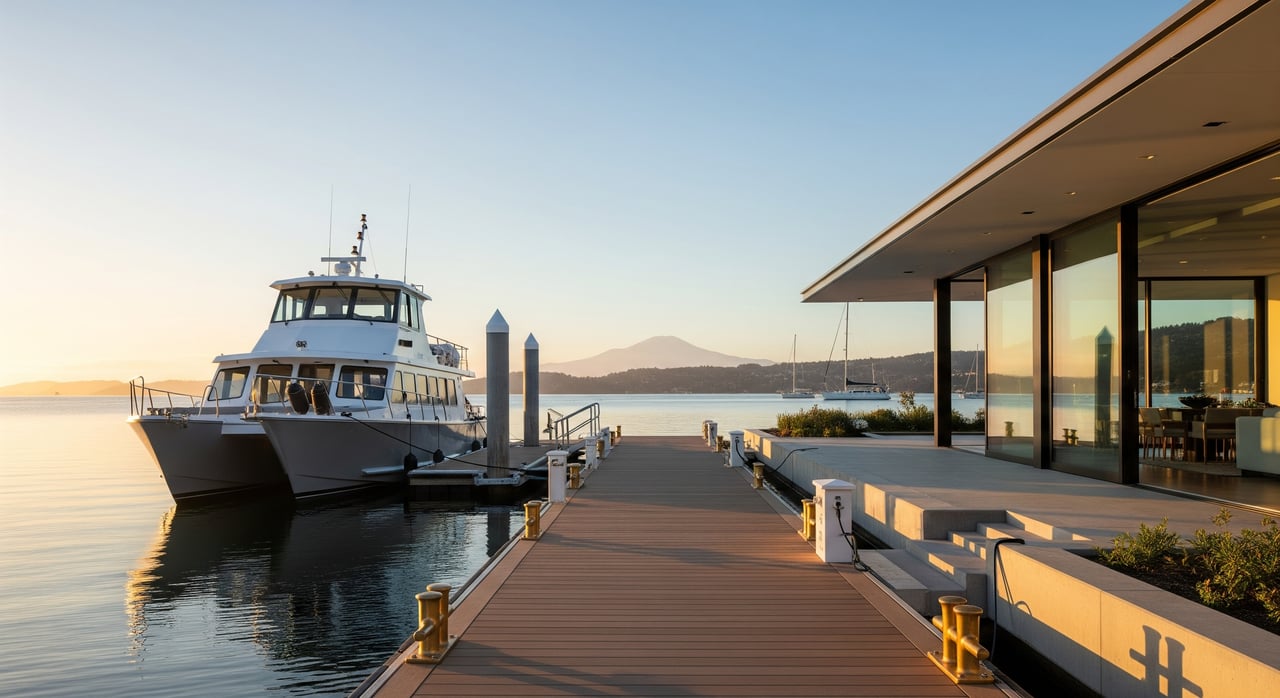
Golden Gate Ferry operates the Larkspur to San Francisco service, delivering direct access to the Embarcadero and Financial District. The typical crossing takes about 30 to 35 minutes, not counting the time it takes you to reach each terminal. Service is geared to weekday peak periods with select midday and weekend sailings that shift seasonally.
Many buyers choose the ferry for its predictability and lower stress compared with driving over the bridge. You can read, work, or simply reset before the workday. The tradeoffs are a fixed schedule, first and last mile logistics, and occasional crowding during peak sailings.
Getting to the terminal
The Larkspur Ferry Terminal sits in the Larkspur Landing waterfront area with access from U.S. 101 and Sir Francis Drake Boulevard. The area blends transit, retail, and commercial uses, which keeps things active during commute windows. Morning and evening peaks can create traffic pinch points on approach routes and nearby streets, so it helps to test the drive at your likely departure time.
Parking includes surface lots and a structure near the terminal. Capacity tightens on weekday mornings, and some spaces may be managed by permits. Many commuters choose carpool, drop-off, local transit, or bikes to bypass parking uncertainty. The terminal is ADA accessible, and curb zones support ride-hail and taxi pick-ups.
Bikes and last‑mile options
Bringing a bike can make the first and last mile simple. Golden Gate Ferry permits bicycles on board, with staff managing space during busy sailings. Around Larkspur and Corte Madera, multi-use paths and lower-traffic streets make biking a practical option for many riders.
If you prefer transit, the SMART rail line connects to the Larkspur station for rail-to-ferry transfers. Marin Transit and Golden Gate Transit buses serve neighborhoods around the terminal, and some routes align with ferry times. Always confirm current schedules and connections, especially if you rely on tight transfers.
Walkable access is strongest within about a half mile to one mile of the terminal. If being on foot is a priority, evaluate the exact route during commute hours to understand lighting, crossings, and travel time.
Neighborhoods and housing near the ferry
Larkspur at a glance
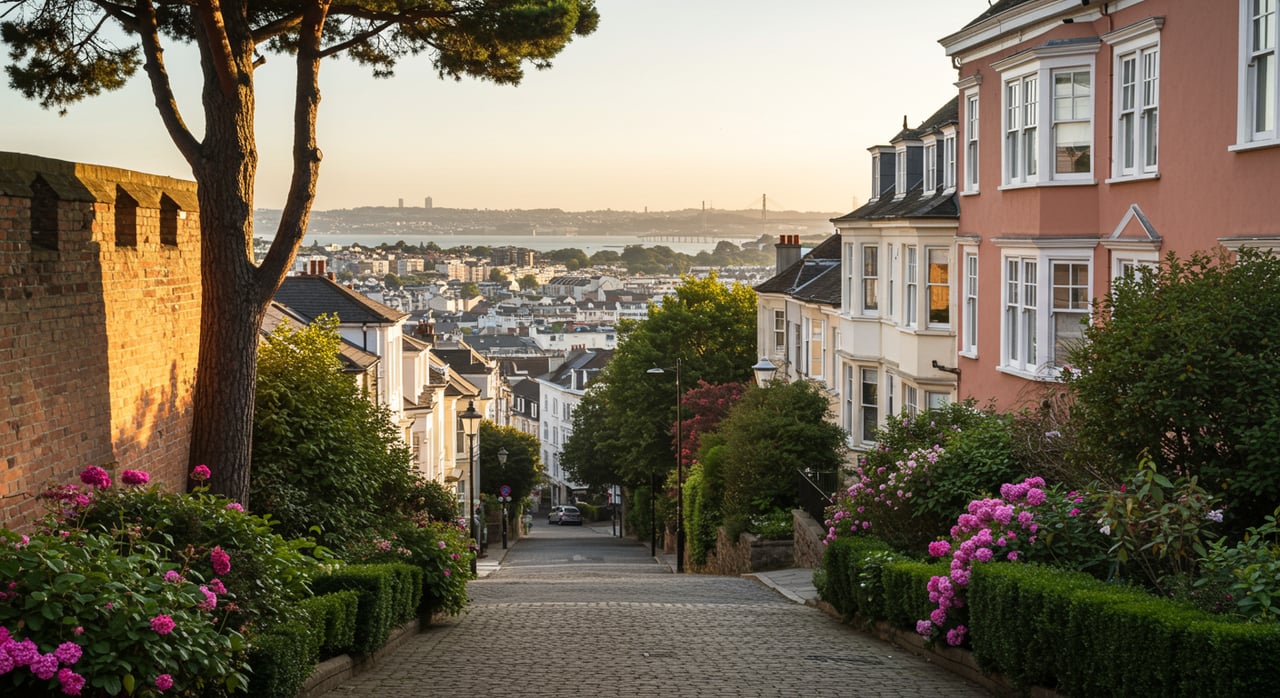
Larkspur blends a waterfront setting at Larkspur Landing with a historic downtown and residential pockets. Homes closest to the terminal often command higher prices per square foot because of walkable access and the waterfront setting. You will find a mix of single-family homes, cottages, and some condominiums.
Corte Madera at a glance
Corte Madera, adjacent to Larkspur, offers single-family homes, ranch-style houses, townhomes, and condos. Certain areas near Tamalpais Drive and Old Corte Madera offer a balance of shopping access and quieter streets. Compared with prime waterfront locations in Larkspur, Corte Madera is often perceived as slightly more affordable or offering larger lots, though both towns are high-cost Marin markets.
Condo vs. single‑family tradeoffs
Near the terminal, condos and townhomes appeal to commuters who value walkable access and low-maintenance living. Single-family homes in nearby blocks work well if you want more space or yard. When comparing options, weigh HOA parking policies and storage against the convenience of being close to sailings.
Schools and local services
Larkspur and Corte Madera share elementary and middle school services through local districts, and high schools are part of the county high school district. If school access matters, verify district boundaries and enrollment status directly with the districts. Proximity to shopping centers, parks, trails, and waterfront dining adds day-to-day convenience across both towns.
Commute convenience vs. home priorities
Choosing where to live is a balance of time, flexibility, and lifestyle. Use these factors to guide your search:
- Proximity vs. price: Walkable homes near the terminal reduce first and last mile time but may carry a premium.
- Parking plan: If you intend to drive to the terminal, confirm parking capacity, permit availability, and costs. This can materially affect your routine.
- Schedule fit: Ferry riders follow fixed sailings. Check whether departure and return times align with your workday.
- Reliability: Weather and operations can affect service. Set a backup plan such as carpool, driving, or alternate transit.
- Time vs. space: Decide whether a larger home or yard further from the terminal outweighs the time saved by living closer in.
- Storage at home: If you bike or mix modes, look for secure bike storage and space for commuting gear.
- Everyday walkability: Access to groceries, coffee, childcare, and services near your route reduces daily friction.
Buyer walkthrough checklist
Before you write an offer, verify the details that shape your commute and lifestyle:
- Observe a real commute during morning and evening peaks to gauge parking, crowding, and traffic patterns.
- Confirm terminal parking rules, daily costs, and any permit program or waitlist that could affect your plan.
- Ask sellers or HOAs about assigned spaces, guest parking, bike storage, and any restrictions.
- Assess noise and waterfront exposure. Check county flood maps and insurance requirements if relevant.
- Review current ferry schedules, SMART timetables, and local bus connections for alignment with your hours.
- Verify school district boundaries and enrollment procedures if they matter to your household.
- Scan city or county planning documents for projects that could change access, parking, or congestion.
Example commute profiles
- Walk-to-ferry condo: You trade square footage for a short stroll to Larkspur Landing, avoid terminal parking, and rely on peak sailings.
- Corte Madera single-family: You gain a yard and extra rooms, then bike or take a short drive or bus to the terminal during peak hours.
- Multimodal rider: You combine a bike ride with SMART rail to the Larkspur station, then transfer to the ferry for a predictable, car-free commute.
The bottom line
If your work centers on San Francisco’s waterfront or the Financial District, the Larkspur Ferry can turn the commute into protected time, not a daily gamble on bridge traffic. The key is to match your home’s location with your schedule, parking strategy, and last-mile plan. When you align these pieces, you get a smoother routine and a lifestyle upgrade across shopping, trails, and waterfront amenities.
For tailored guidance on neighborhoods, property types, and commute logistics near the Larkspur terminal, connect with The Warrin Team. We will help you weigh tradeoffs with clarity and position you for a confident purchase.
FAQs
How long is the Larkspur ferry ride to San Francisco?
- About 30 to 35 minutes on the water; add time for getting to and from each terminal.
How reliable is parking at the Larkspur Ferry Terminal?
- Parking exists but can be tight on weekday mornings, so many riders use permits, carpooling, drop-off, local buses, or bikes.
Can I bring a bicycle on Golden Gate Ferry?
- Yes. Bicycles are permitted on board, and capacity may be managed during crowded sailings.
Which neighborhoods balance space with ferry access?
- Larkspur Landing and nearby blocks offer direct terminal access; downtown Larkspur adds a village setting; central Corte Madera offers larger-home options with reasonable connections.
What should I check during a home tour if I plan to ferry commute?
- Test the commute at peak times, confirm parking policies and costs, review HOA rules, verify school district info, and check transit schedules and flood considerations.