By The Warrin Team
People often have opinions about living in San Francisco (the fog, the hills, the cost, the tech culture) before they have actually done it. In fact, the city is genuinely unlike anywhere else in the country, and the version of it that lives in public perception tends to be either overly romanticized or overly skeptical.
We've spent years helping people find the right address here, and our clients often find the city is smaller, more varied, and more livable than they expected.
Key Takeaways
-
Distinct neighborhoods: The city's 49 square miles contain neighborhoods that feel entirely different from each other in pace, microclimate, and daily character.
-
Outdoor inventory: Golden Gate Park, the Presidio, Ocean Beach, and Twin Peaks provide year-round access within 20 minutes of most addresses.
-
Food and culture: SF's restaurant scene and cultural institutions (opera, symphony, contemporary art) operate at a level that consistently draws national attention.
-
Cost considerations: SF's cost of living is among the highest in the country, but the density of what it delivers is equally difficult to replicate elsewhere.
San Francisco's Neighborhoods Are Each a Different City
San Francisco covers 49 square miles, but the residential experience varies so dramatically from one neighborhood to the next that choosing where to live is essentially choosing what kind of city you want.
Neighborhoods Worth Understanding Before You Decide
-
The Mission District is flat, sunny relative to the rest of the city, and relatively dense with restaurants, murals, and nightlife along Valencia and 24th Street.
-
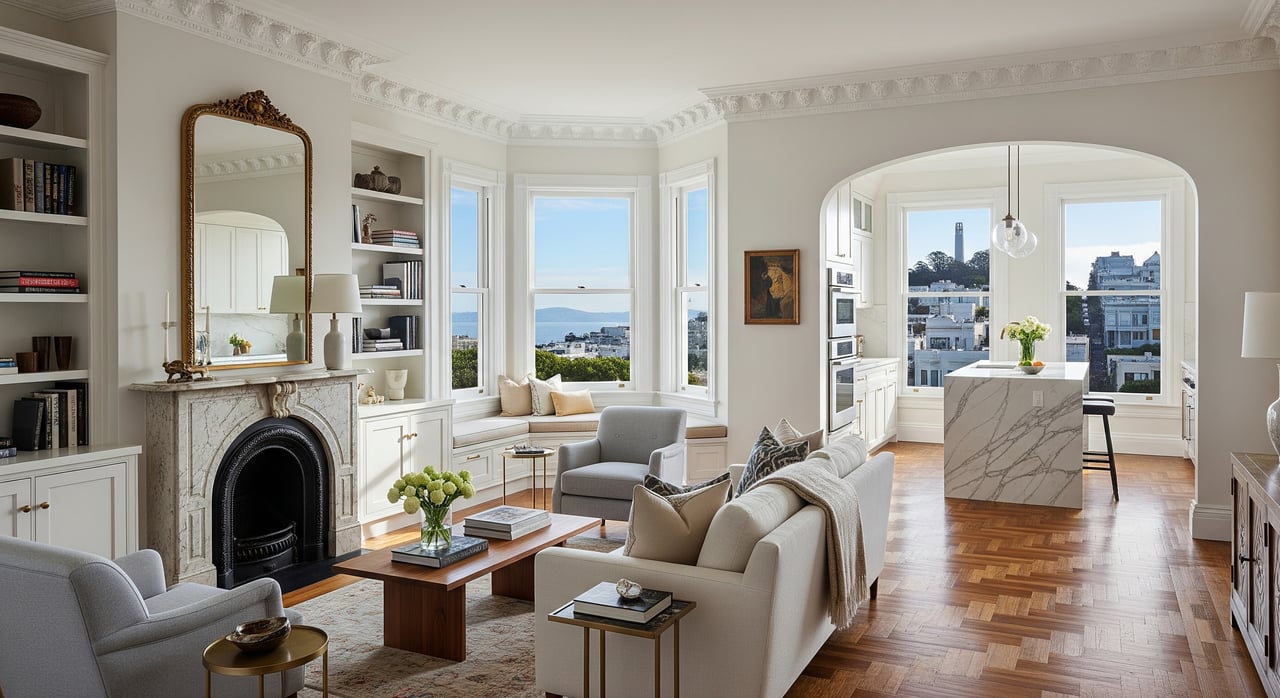
Pacific Heights has large Victorians, panoramic city views, and proximity to the Fillmore and Union Street retail corridors.
-
The Sunset is residential and ocean-adjacent, with Irving Street food, quiet blocks, and a pace that differs noticeably from central SF.
The city is compact enough that everything is accessible, but distinct enough that where you live shapes daily life in very specific ways.
San Francisco's Outdoor Access Is Genuinely Exceptional
Golden Gate Park runs 1,017 acres through the center of the city and functions as its primary outdoor living room.
Outdoor Spaces Worth Building a Routine Around
-
Golden Gate Park has 27 distinct gardens, a rotating museum calendar, and the Panhandle trail connecting it eastward toward the Haight.
-
Ocean Beach runs 3.5 miles along the western edge of the city with direct Pacific access and surfing at Kelly's Cove near Sloat Boulevard.
-
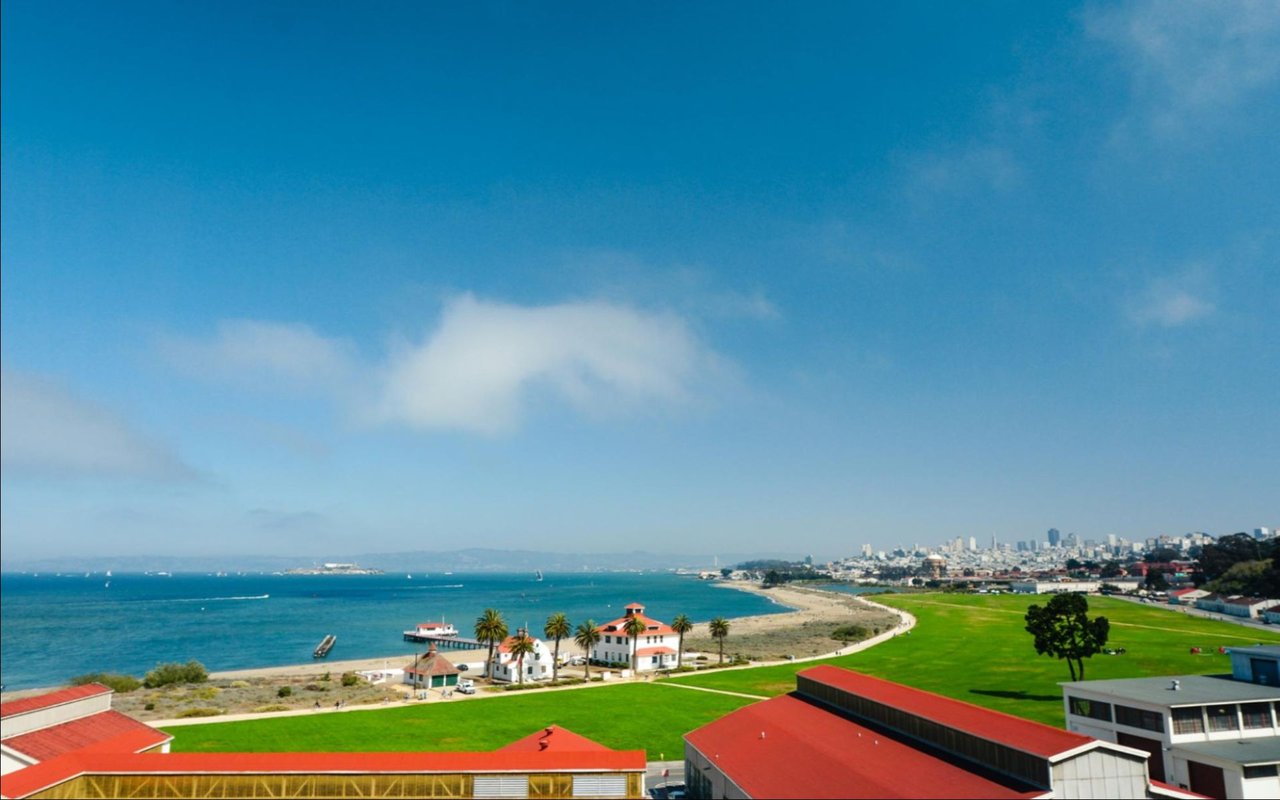
The Presidio offers over 24 miles of trails, the Batteries to Bluffs coastal path, and Crissy Field waterfront with views of the Bay and Marin headlands.
Most SF neighborhoods sit within a 20-minute walk or bike ride of a park, beach, or trail network significant enough to anchor a genuine daily routine.
The Food and Culture That Make SF Worth It
San Francisco's food scene operates at a level that regularly draws national attention. The cultural calendar runs year-round and is anchored by institutions that have been part of SF life for generations.
Cultural Anchors Worth Building a Life Around
-
The San Francisco Symphony at Davies Hall is among the country's most attended orchestras, with a season running from September through June.
-
The Mission's 24th Street corridor is one of the densest concentrations of taquerias, panaderías, and Latin American food anywhere in the country.
-
SFMOMA reopened in 2016 with a significant expansion and now holds one of the largest permanent collections of modern and contemporary art in the US.
Within a few square miles, it is possible to attend a world-class opera, eat at a Michelin two-star, and pick up the best sourdough in the country the next morning.
What Living in San Francisco Actually Costs — Beyond Rent
San Francisco's cost of living is the conversation everyone has before the move and continues having afterward.
Practical Realities Worth Factoring In Before the Move
-
Median home prices in San Francisco have remained above $1 million for over a decade, with significant variation by neighborhood and property type.
-
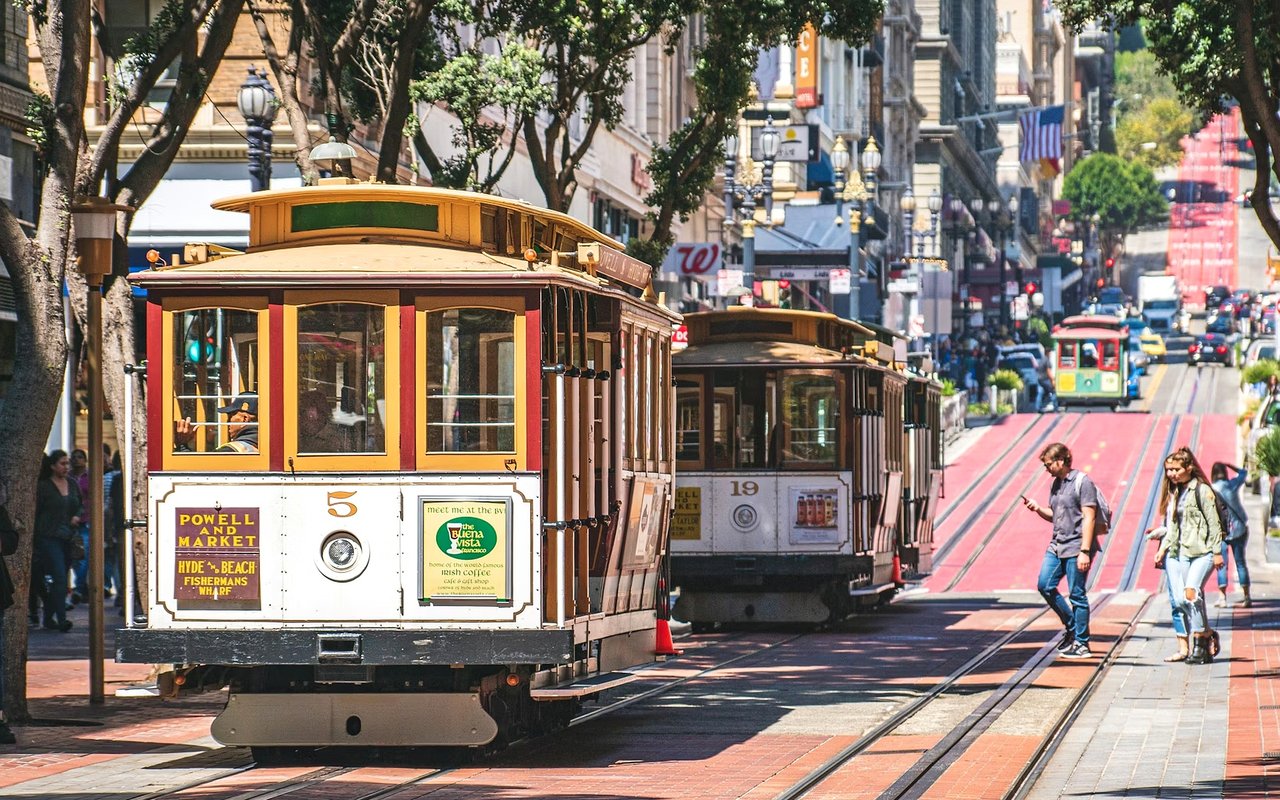
Muni and BART provide functional transit for many commutes, but coverage gaps make car ownership a practical consideration depending on neighborhood and work location.
-
Parking in most SF neighborhoods requires residential permits, and garage access adds meaningfully to daily quality of life on the blocks where street parking is most constrained.
For people who land in the right neighborhood for their lifestyle, those factors tend to recede into the background of a city that is genuinely unlike anywhere else.
FAQs
How does SF feel compared to other major West Coast cities?
San Francisco has a density, topography, and neighborhood-level character that distinguishes it sharply from Los Angeles and Seattle. The main adjustments people make are to the cost, the fog, and the transit, all of which become more manageable once someone finds the right part of the city.
Which neighborhoods work best for families?
Noe Valley, West Portal, and the Inner Sunset consistently draw families because of quieter streets, park access, and proximity to well-regarded public and private schools.
What is the commute like from SF to the South Bay tech corridor?
Caltrain runs from 4th and King Station in SoMa to San Jose Diridon with frequent service during peak hours, making the Peninsula commute manageable without a car for many workers.
Let's Talk About Where You Fit in This City
Finding the right address in San Francisco is less about the city and more about the neighborhood. The right neighborhood is genuinely different for every household.
At The Warrin Team, we know the blocks, the microclimates, and the tradeoffs that actually shape daily life here. Reach out to us today, and let's talk about where you belong in this city.
At The Warrin Team, we know the blocks, the microclimates, and the tradeoffs that actually shape daily life here. Reach out to us today, and let's talk about where you belong in this city.