Choosing between Nob Hill and Russian Hill often comes down to feel, views, and the details of building type and ownership. If you are comparing condos and co-ops on these two iconic hills, you likely care about daily convenience, long-term value, and how the neighborhood energy matches your life. In this guide, you will get a clear, side-by-side look at housing stock, pricing signals, amenities, transit, and key tradeoffs so you can decide with confidence. Let’s dive in.
Quick feel for each hill
Nob Hill at a glance
Nob Hill rises above Union Square and Market Street, long known for landmark hotels like the Fairmont and Grace Cathedral. The streetscape feels more formal with a mix of prewar apartment buildings and midcentury towers. It sits close to downtown and Chinatown, which supports easy access to business and culture. For background on the area’s character and history, see the neighborhood overview on Nob Hill’s Wikipedia page.
Russian Hill at a glance
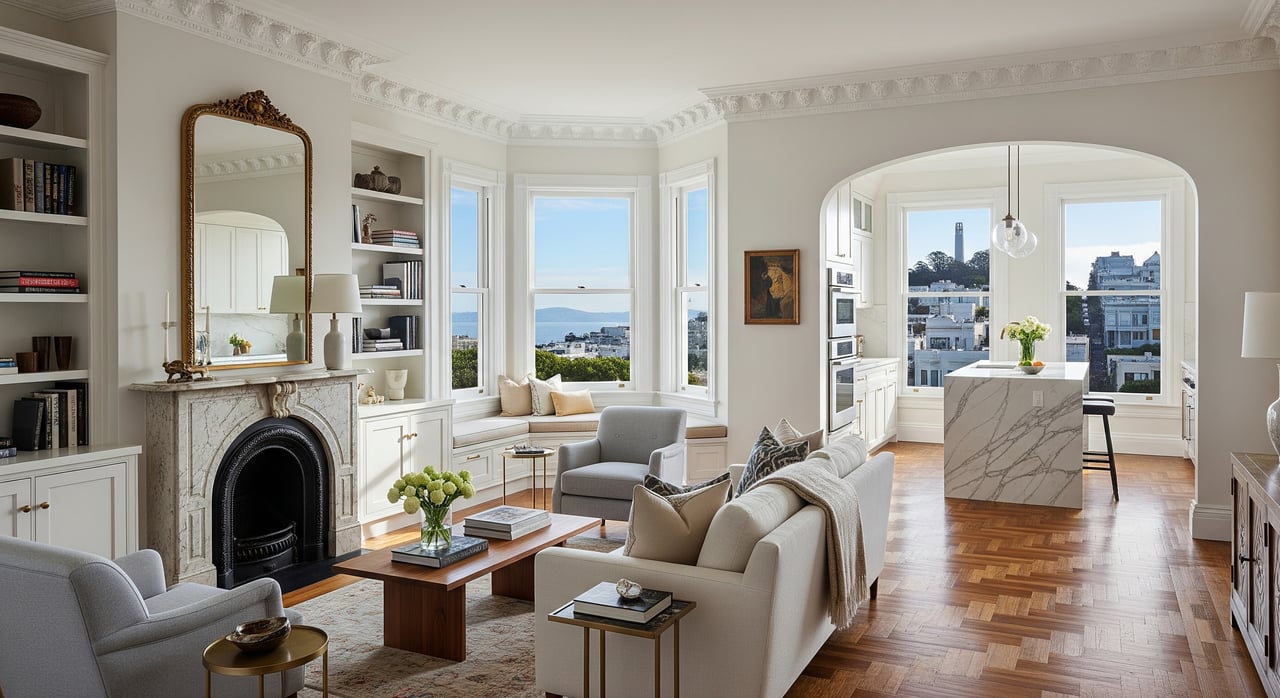
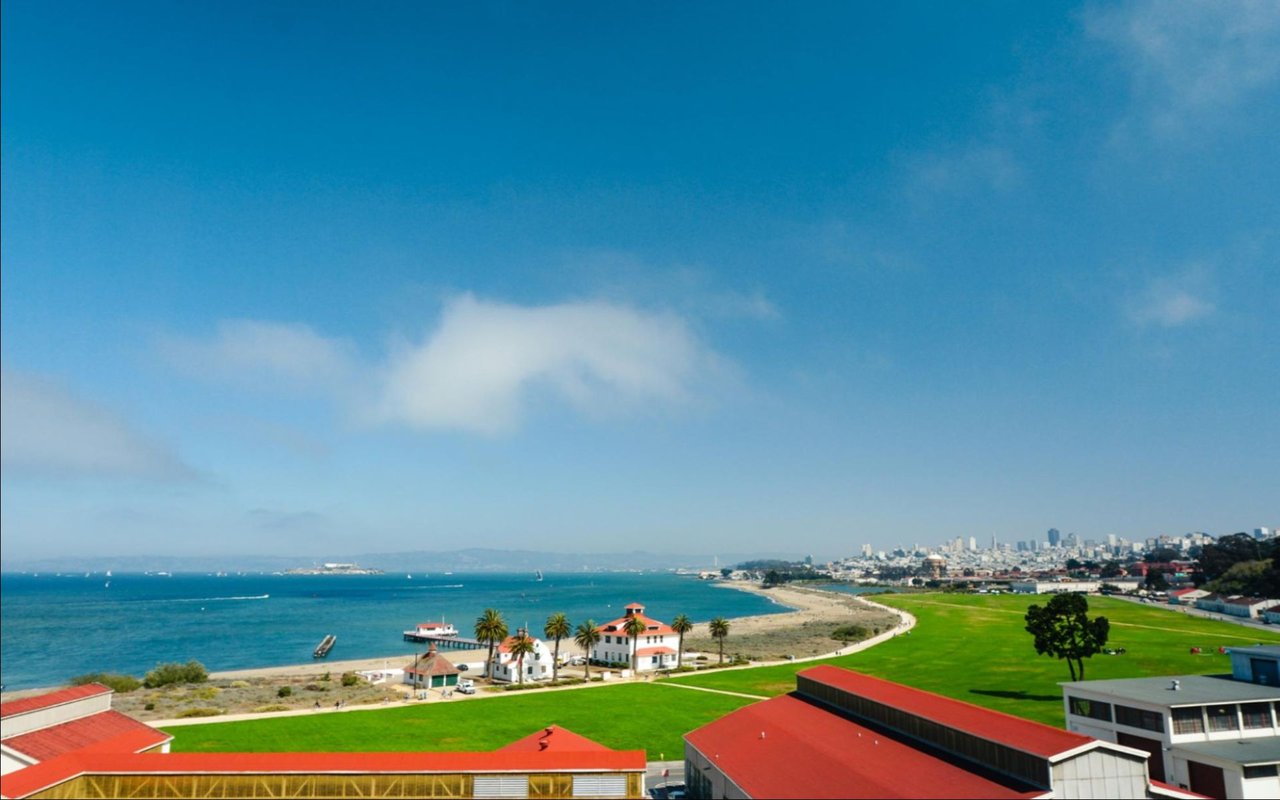
Russian Hill sits just north of Nob Hill and fronts striking Bay views. It is famous for Lombard Street, narrow stairways, and pocket parks, with a blend of Edwardian and Victorian buildings alongside midcentury and newer towers. The vibe is residential and scenic, though certain blocks see tourist foot traffic. Learn more on the Russian Hill Wikipedia page.
Condo and co-op options
What you will find in Nob Hill
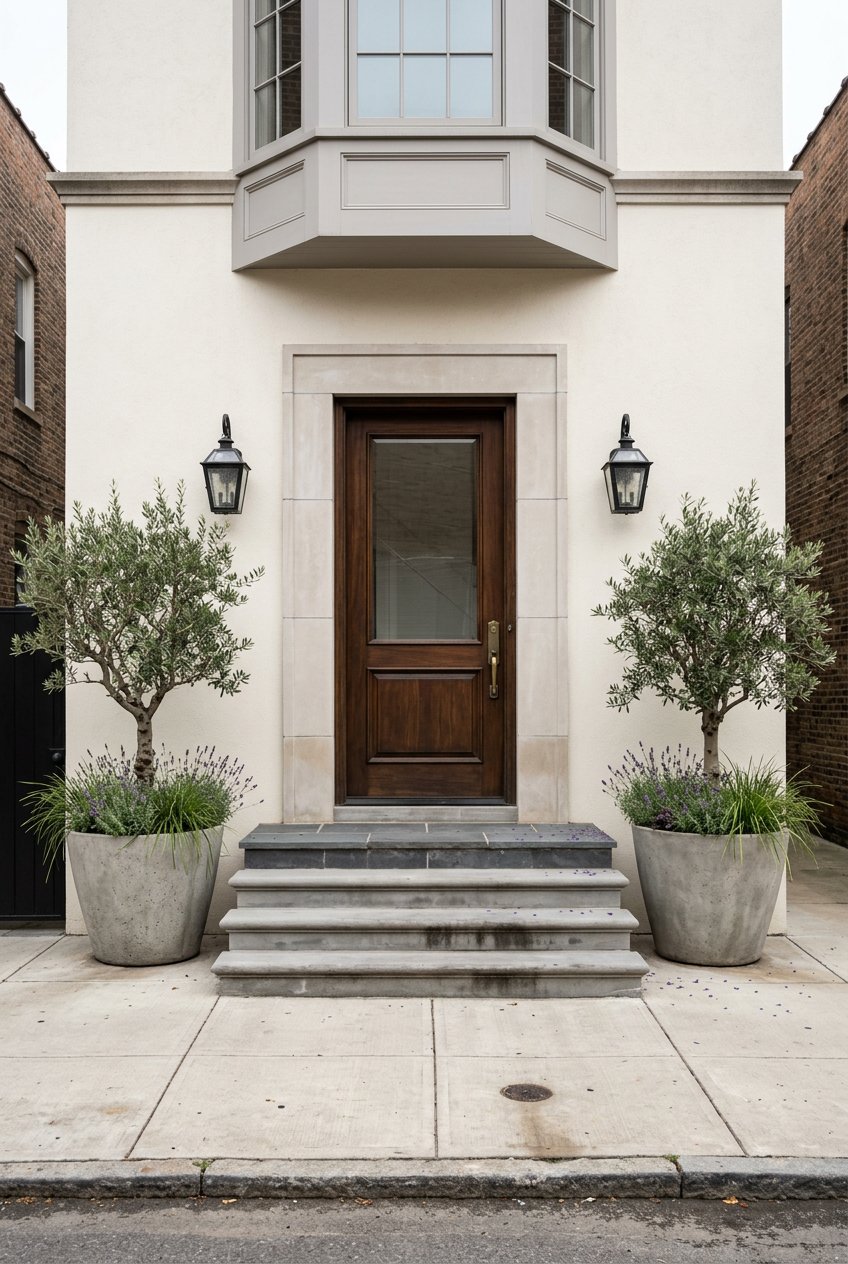
Nob Hill offers many prewar flats and full-service midcentury towers. Doormen, on-site management, and attended lobbies are common in larger buildings. Several respected stock cooperative buildings remain, such as well-known towers along California and Jones Streets, which appeal to buyers who value services and a traditional building culture.
What you will find in Russian Hill
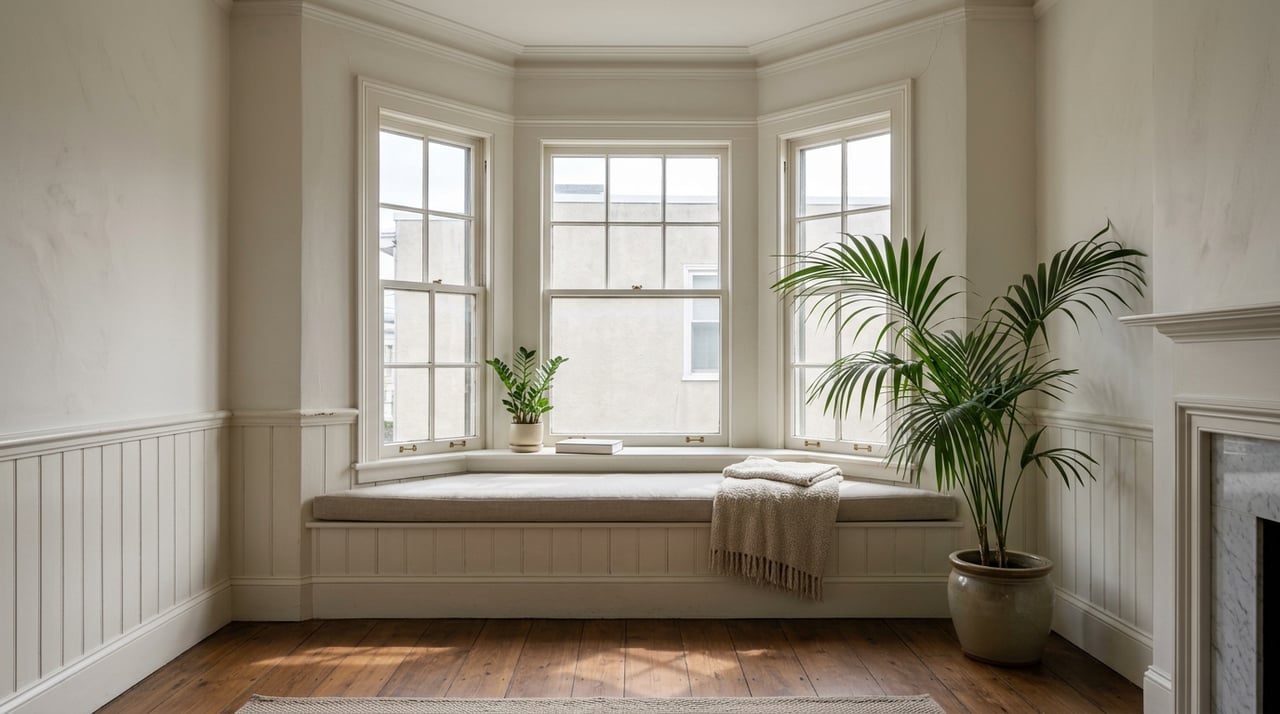
Russian Hill includes classic Edwardian and Victorian walk-ups, low-rise conversions, and pockets of high-rise buildings from the 1960s to the 1980s and newer. View towers command a premium, while smaller buildings often keep shared amenities simple. The result is a wide spread of product types, from intimate flats to full-service high-rises.
Ownership types that matter
- Condominiums: You receive title to the unit. Financing is broadly available, and the buyer pool is widest. (Local listing medians in both neighborhoods are often driven by condo inventory.)
- Stock cooperatives: You purchase shares in a corporation and receive a proprietary lease. Co-ops commonly require board approval and roll more building expenses into monthly maintenance, which can look higher but include more. These factors narrow the lender and buyer pool compared to condos. (Overview sourced from national guidance, Realtor.com resource, 2025.)
- Tenancy-in-common and fractional products: Present in the broader area and select nearby buildings. Financing is more specialized, and resale dynamics differ from condos.
Pricing signals to watch
Prices reflect small sets of sales and can swing with new listings. Treat any single number as a snapshot and note the source and date.
- Nob Hill: Redfin shows a median sale price around $1.19M and about $925 per square foot in January 2026 (all home types). Its condo listings view shows a median list price near $1.25M at that time. Realtor.com’s Nob Hill overview page in December 2025 reflects a neighborhood median in the mid $1.3M range. Different methods and limited inventory explain the spread.
- Russian Hill: Redfin reports a higher late 2025 median sale price near $1.56M, and condo listing medians can run north of $2.0M depending on what is active. Realtor.com pages have shown low to mid $2M neighborhood medians. Price per square foot often trends higher than Nob Hill, reflecting the view premium.
Days on market also vary with inventory. Redfin reported a Nob Hill median around 44 days in January 2026, while Russian Hill often ranges 30 to 70 days depending on the small sample of closed sales in a given period.
For broader context, recent reporting notes San Francisco’s housing recovery has concentrated demand in key central ZIP codes since 2024 to 2025. See this citywide lens in the San Francisco Chronicle’s market coverage.
Monthly costs and amenities
Monthly carrying costs depend on building type and services.
- Co-ops: Maintenance often includes items like property taxes, building insurance, reserves, and sometimes an underlying mortgage. Because more is bundled, monthly fees can look high for larger units in full-service buildings, but they may offset separate bills you would pay in a condo. Review building financials, house rules, and board policies early. (Realtor.com resource, 2025.)
- Condos: HOA dues vary. Smaller buildings with limited amenities often carry lower dues. Full-service towers with attended lobbies, gyms, and roof decks sit higher. In active listings, you may see HOA ranges from the high hundreds per month for smaller units to materially more in service-rich towers.
The key is to confirm what is included. Ask for building budgets, recent meeting minutes, and reserve studies to understand long-term costs.
Walkability and commute
Scores and slope
Both hills are walkable city living. Walk Score rates Nob Hill a 99 Walk Score, about 96 Transit Score, and about 63 Bike Score. Russian Hill rates a 98 Walk Score, about 84 Transit Score, and about 68 Bike Score. Steep grades can affect biking or pushing a stroller, so focus on the specific block and building access. You can explore score details on Nob Hill’s Walk Score page and Russian Hill’s Walk Score page. (Walk Score pages, accessed 2026.)
Transit options
The Powell–Hyde and Powell–Mason cable car lines connect the corridor to Market Street, Union Square, and Fisherman’s Wharf, and can be practical for short commutes. See routes and schedules on SFMTA’s Powell–Hyde line page. For regional rail, the Powell Street BART station offers quick access to the East Bay and the Peninsula; find station info at BART’s Powell Station page. Citywide, the SFCTA’s 2025 program shows a high share of walking and transit for intra-city trips, which supports a low-car lifestyle on these hills. Read the SFCTA 2025 Congestion Management Program for the full mode split context.
Car and parking
Parking is limited and can add meaningful cost. Some units include deeded or assigned garage spots, while others rely on lifts or nearby public garages. If parking is important, verify it in the unit’s disclosures and factor it into total monthly cost.
Lifestyle tradeoffs
Price vs view premium
If you want Bay and bridge views, expect to pay for them. Russian Hill’s view-forward buildings often command a higher price per square foot. Nob Hill may offer greater access to full-service amenities at a slightly lower price per square foot in some cases. Compare like-for-like on size, exposure, and building services.
Street energy
Nob Hill feels more formal and quiet at street level, shaped by landmark hotels, the cathedral, and a stately streetscape. Russian Hill is residential and scenic, with certain blocks that see tourist activity near Lombard Street and the cable car. Evaluate the exact block for noise and parking patterns.
Accessibility and daily life
Both neighborhoods are walkable, but steep slopes can matter day to day. If you prioritize mobility ease, look for elevator buildings, flatter blocks, or units with in-unit laundry and storage. Visit at different times of day to assess foot traffic and ambient noise.
Investor outlook
Rent data is another signal for demand. Zumper’s early 2026 snapshot shows Russian Hill medians around the $4,000 per month band across sizes. See current figures on Zumper’s Russian Hill rent research. Investor buyers should confirm each building’s leasing rules, since co-ops and some HOAs restrict rentals or short-term stays.
Quick decision checklist
- What is the legal structure, and how does it affect financing and resale? Confirm if the unit is a condo, co-op, TIC, or fractional product.
- What is included in the monthly dues? Ask if dues include utilities, insurance, property taxes, or an underlying mortgage.
- What are the building’s leasing rules? Confirm any subletting or short-term rental limits.
- How is parking handled? Deeded space, assigned, waitlist, lifts, or none.
- What is the exposure and noise profile? Consider view orientation, tourist corridors, and hotel event patterns.
- What do the building’s financials show? Review the budget, reserves, and recent board minutes.
Which hill fits you?
Choose Nob Hill if you want a central, prestigious address with a more formal streetscape and ready access to full-service buildings. You might value proximity to downtown, classic architecture, and an attended lobby that simplifies daily life.
Choose Russian Hill if you prioritize views and a residential feel with pocket parks and stair streets. You may accept higher price per square foot for a sweeping outlook or choose a simpler walk-up in a charming low-rise. Either way, focus on the exact block to calibrate privacy, parking, and tourist activity.
If you are weighing both, line up a handful of buildings in each neighborhood that match your ownership style, amenity preferences, and budget. Then compare floor plans and exposures side by side. A clear plan makes the right choice obvious.
Ready to refine your search or tap into on and off-market options? Request a Private Consultation with The Warrin Team for confidential guidance tailored to your goals.
FAQs
What is the difference between a condo and a co-op in San Francisco?
- Condos convey title to the unit with broad financing options. Co-ops sell shares and grant a proprietary lease, often with board approval and monthly fees that bundle more building costs. Review building documents and plan financing early.
How much are HOA or maintenance fees in Nob Hill and Russian Hill?
- Smaller condo buildings can run in the high hundreds per month, while full-service towers and co-ops can be higher, sometimes well above $2,000 per month for larger, service-rich units. Confirm inclusions and reserves in each building.
Are parking spaces common with condos on these hills?
- Many units do not include deeded parking. When present, garage spaces add cost and can be assigned or deeded. Without on-site parking, you may rely on lifts or nearby garages.
Is it realistic to live without a car in Nob Hill or Russian Hill?
- Yes for many residents. Walk Scores are 98 to 99 with strong transit access, cable cars to Market Street and the Wharf, and nearby Powell BART. Steep grades can affect comfort for biking or mobility needs.
How competitive is the market for condos in these neighborhoods?
- Inventory is tight and medians can shift with a few sales. Days on market often range around one to two months, and co-op board processes can extend timelines. A local, data-led strategy helps you move decisively.