What makes a Noe Valley row house feel so special the moment you see it? Often, it is not just the address or the market. It is the way the façade meets the street, the rhythm of bay windows and recessed entries, and the sense that the home still carries the architectural language that shaped the neighborhood. If you are buying, selling, or simply trying to understand value in Noe Valley, it helps to know how architecture, charm, and market performance connect. Let’s dive in.
Noe Valley row houses in context
Noe Valley’s row houses grew out of a major residential building period that ran roughly from 1880 to 1920. According to San Francisco Planning’s historic resource review, the area was originally part of Rancho San Miguel and was later plotted as Homer’s Addition, with growth tied to transit access and post-1906 rebuilding demand.
That history still shows up on the block today. San Francisco Planning staff and local reporting describe Noe Valley as one of the city’s densest row-house neighborhoods, and that density helps create the neighborhood’s recognizable street rhythm. When you walk these streets, you are seeing a built form shaped by continuity, repetition, and close urban scale.
Defining features of Noe Valley row houses
Most San Francisco row houses share a few core traits. They are often long and narrow, usually two or three stories, and commonly feature a side entry with a bay window facing the street.
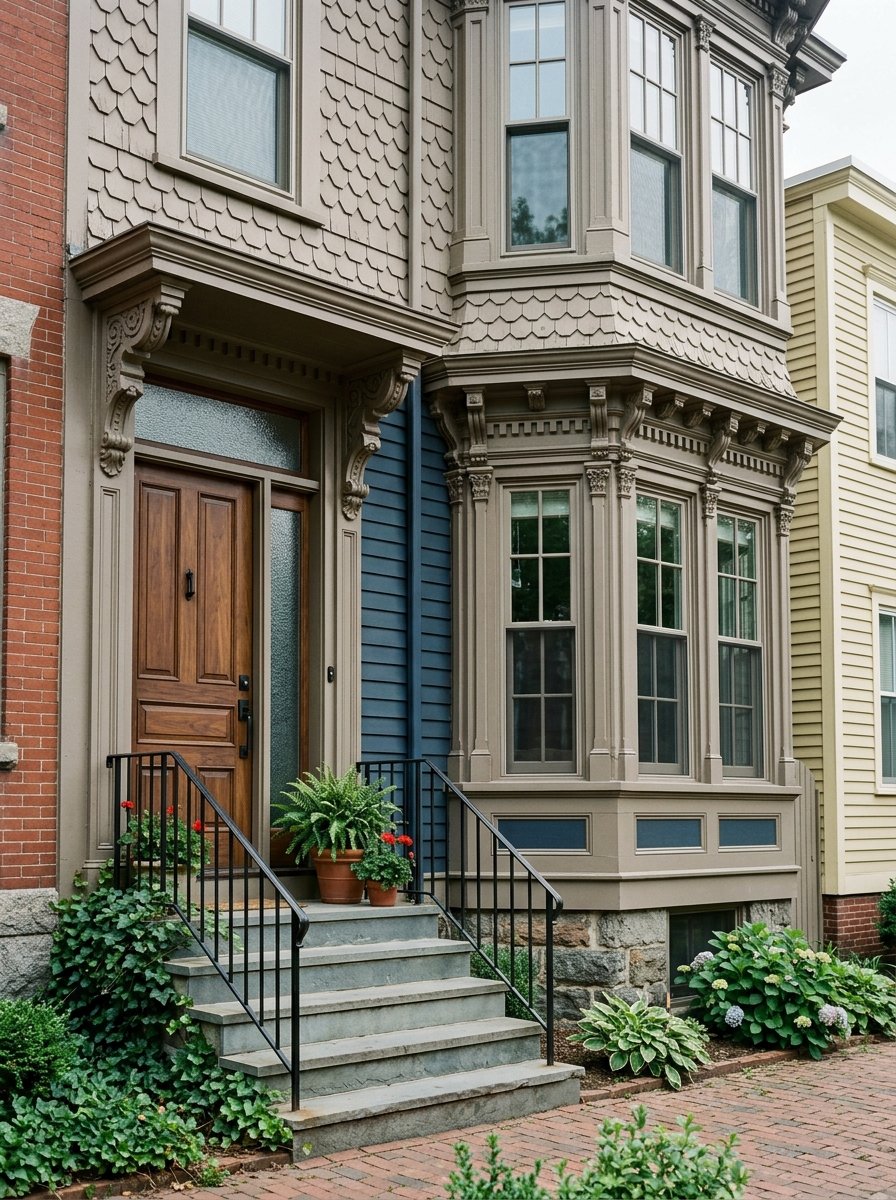
In Noe Valley, period details often give these homes their personality. San Francisco Planning describes a circa 1898 example as a modified Queen Anne row house with a recessed porch, canted bay window, molded cornice, and gabled roof. Those details help explain why one row house can feel merely functional while another feels memorable.
Queen Anne and Stick-Eastlake details
Victorian-era homes in Noe Valley and nearby districts often show Queen Anne and Stick-Eastlake influences. You may notice angled bay windows, expressive roof forms, shingle cladding, and more elaborate ornament.
These details matter because they create visual depth and individuality within a row-house format. Even when homes share a similar footprint, decorative woodwork, porch treatment, and façade composition can give each property a distinct identity.
Edwardian restraint and post-1906 evolution
Edwardian-era houses generally present a calmer, more restrained look. Planning materials note that these homes often use Classical Revival cues such as wide or round bay windows, flat roofs, bulky cornices, columned porch entries, and recessed doors.
Some post-1906 buildings blend Edwardian massing with Victorian detailing. That mix is part of what makes Noe Valley so visually interesting. You can see a neighborhood that evolved over time without losing its overall coherence.
Why Noe Valley row houses feel charming
Charm is easy to talk about and harder to define, but in Noe Valley, the physical setting gives it structure. San Francisco Planning’s Residential Design Guidelines emphasize that neighborhoods are shaped by common rhythms and cohesive architectural elements, and that compatible renovations help protect neighborhood character and quality of life.
In practical terms, Noe Valley’s row-house pattern creates a close-to-the-street scale and a consistent street wall. Homes relate closely to one another, which can make blocks feel visually connected and easy to read. That consistency is a big part of why the neighborhood feels grounded and inviting.
A walkable daily experience
Charm is not only architectural. It is also about how a neighborhood functions day to day.
Redfin currently gives Noe Valley a Walk Score of 94, along with a Transit Score of 75 and a Bike Score of 75. Noe Valley Town Square, created from a former parking lot on 24th Street, also includes a weekly Sunday farmers market according to San Francisco Arts Commission minutes. Together, those details support a lifestyle where daily errands, public space, and neighborhood routines feel accessible.
Architecture that supports livability
The neighborhood’s appeal is also tied to its history of transit access and residential growth. A Planning Department review connects Noe Valley’s rise to access to downtown transit lines and to the atmosphere that drew households to the area.
For today’s buyer, that means the appeal is layered. You are not only evaluating square footage or finish level. You are also considering how the home sits within a block pattern and neighborhood fabric that has remained compelling for well over a century.
How updates can help or hurt character
Many Noe Valley row houses have changed over time, and not all changes affect value or visual appeal in the same way. Planning reports note that some homes in Noe Valley and comparable San Francisco neighborhoods were reclad in stucco or shingle siding, had windows replaced, or were remodeled to add garage openings.
Some of these changes can improve livability. At the same time, they can change how a house reads from the street, especially when original architectural elements are removed.
What are character-defining features?
San Francisco Planning’s design standards describe character-defining exterior features as the elements that convey historic significance. In plain terms, these are the parts of the home that make it legible as a product of its architectural period.
That can include features like bay windows, cornices, porch forms, roof shapes, and original ornament. When those elements remain intact, the house often feels more authentic to the neighborhood’s historic pattern.
Why preservation can support value
Planning reports also note that when Queen Anne ornamentation is removed, a house may lose its contribution to a potential historic district. That does not mean every buyer wants a home frozen in time. It does suggest that heavy façade simplification can weaken the architectural identity that many buyers respond to.
In a neighborhood like Noe Valley, value is often emotional as well as numerical. Buyers may be willing to pay for updated interiors, but they also tend to appreciate a home that still looks and feels like it belongs on its block.
What the market says about value
Noe Valley’s market remains highly competitive. Redfin reports a median sale price of $2,349,210 over the three months ending May 2026, average days on market of 13, and 80.3% of homes selling above list price.
That combination tells you something important. Buyers are not just shopping casually here. They are moving quickly, and many are paying above ask to secure the right property.
Architecture and presentation still matter
In a fast market, it can be tempting to assume every well-located home will perform the same. In practice, buyers still make distinctions.
A row house with preserved period features, strong curb appeal, and thoughtful updates may hold a stronger architectural reading than one with a heavily altered façade. Based on San Francisco Planning’s emphasis on character-defining features, that difference can shape how buyers perceive authenticity, desirability, and long-term value.
Value is more than price per square foot
For Noe Valley row houses, value usually sits at the intersection of several factors:
- Location within the neighborhood
- Scale and layout
- Architectural integrity
- Quality of updates
- Street presence and curb appeal
- Market timing and competition
That is why two homes with similar size can still generate very different buyer reactions. In this part of San Francisco, the feeling a house creates from the sidewalk can carry real weight.
What buyers should watch for
If you are considering a Noe Valley row house, it helps to look beyond finishes alone. A newly renovated interior may be appealing, but the exterior and overall composition still deserve close attention.
As you compare homes, consider:
- Whether original façade elements appear intact
- How the bay window, entry, and roofline contribute to street presence
- Whether updates feel compatible with the home’s period
- How the property fits into the rhythm of the block
- Whether the home balances historic character and modern function
A good buying decision in Noe Valley is rarely just about today’s look. It is also about how the house will continue to read and compete in a neighborhood where architecture remains part of the value story.
What sellers should know before listing
If you own a Noe Valley row house, your home’s exterior character may be one of its strongest assets. Buyers in this market often respond to homes that feel well cared for, visually coherent, and true to the neighborhood context.
Before going to market, it can help to evaluate how the property presents from the street. Small details like trim condition, paint choices, entry presentation, and the visibility of period features can influence first impressions before a buyer ever steps inside.
Preparation should honor the house
For architecturally distinctive homes, presentation is not just about polish. It is about showing buyers what makes the home specific to Noe Valley.
That may mean highlighting original details, framing the home’s period character in marketing, and making design decisions that support rather than compete with the architecture. In a competitive neighborhood, thoughtful preparation can help the right buyers recognize the full value of the property.
If you are thinking about buying or selling a Noe Valley row house, working with a team that understands architecture, presentation, and neighborhood-level market nuance can make a meaningful difference. For a discreet, design-aware conversation about your next move, connect with The Warrin Team.
FAQs
What defines a Noe Valley row house?
- A Noe Valley row house is typically a long, narrow San Francisco home built in the neighborhood’s main development period from about 1880 to 1920, often with two or three stories, a side entry, and a bay window.
What architectural styles appear in Noe Valley row houses?
- Many Noe Valley row houses show Queen Anne, Stick-Eastlake, or Edwardian influences, with features like bay windows, recessed porches, molded cornices, flat or gabled roofs, and varying levels of ornament.
Why do preserved details matter in Noe Valley homes?
- Preserved exterior features matter because San Francisco Planning identifies character-defining elements as key to a home’s historic significance, and buyers often associate those details with authenticity and neighborhood appeal.
How competitive is the Noe Valley housing market?
- Redfin reports that Noe Valley is a highly competitive market, with a median sale price of $2,349,210, average days on market of 13, and 80.3% of homes selling above list price for the three months ending May 2026.
What should buyers evaluate in a Noe Valley row house?
- Buyers should look at architectural integrity, compatibility of updates, curb appeal, layout, and how well the home fits the established rhythm and character of its block.
What should sellers highlight when listing a Noe Valley row house?
- Sellers should highlight period character, street presence, thoughtful updates, and any exterior details that help the home feel connected to Noe Valley’s historic architectural identity.