By The Warrin Team
The San Francisco market rewards preparation. In a city where the median home sale price hit a record $2.15 million in spring 2026, up 18% year-over-year — the gap between a home that generates multiple competing offers and one that sits is almost never about location. It is about presentation and condition. Buyers in this market are comparing your home to everything else available, and move-in-ready properties consistently command stronger prices and faster sales than homes that require imagination. The right updates before you list are not an expense — they are leverage.
Key Takeaways
- Move-in-ready homes in San Francisco consistently attract multiple offers and sell above asking price
- The highest-ROI pre-sale updates focus on condition, not cosmetics — fixing what buyers will flag first
- In San Francisco's luxury market, buyers expect a certain baseline of finish and function; falling below it costs more than the update would have
- Timing your updates correctly relative to your list date is as important as the updates themselves
Why Condition Drives Offers in the San Francisco Market
San Francisco buyers are sophisticated. Most have toured dozens of properties before making an offer, and many are working with advisors who have seen hundreds more. They know what deferred maintenance looks like, and they know what it costs to fix. When they walk through a home and find things that need attention — peeling paint, a dated kitchen, a soft floor in the bathroom — they do not subtract the actual cost of repair from their offer. They subtract the cost plus the hassle, plus a risk premium.
Buyers are increasingly reluctant to take on renovations before moving in, given high construction costs and the complexity of Bay Area permitting. The homes that sell at or above asking with the fewest contingencies are almost uniformly the ones that are well-prepared. The homes that sit are often not overpriced — they are under-prepared.
Buyers are increasingly reluctant to take on renovations before moving in, given high construction costs and the complexity of Bay Area permitting. The homes that sell at or above asking with the fewest contingencies are almost uniformly the ones that are well-prepared. The homes that sit are often not overpriced — they are under-prepared.
What Buyers Are Looking for in a San Francisco Listing
- A property that reads as move-in ready from the listing photos through the in-person tour
- Updated kitchens and bathrooms — not necessarily luxury renovations, but functional, clean, and current
- Structural and systems confidence — no deferred maintenance signals, no obvious repair needs
- A home that photographs well and delivers on those photos during the showing
The Highest-ROI Updates Before You List
Not every update is worth making. The goal is to spend strategically on improvements that move the needle on buyer perception and offer price, not to renovate the entire home. The highest-return updates in San Francisco's market consistently fall into a few categories: cosmetic fixes that affect first impressions, condition repairs that buyers will flag during inspection, and targeted kitchen and bathroom refreshes that bring a dated space into the current decade without a full gut renovation.
Fresh paint is the single most cost-effective update available. A full interior repaint in a clean, warm neutral transforms how a home photographs and how it reads during a tour. It also signals to buyers that the home has been cared for. In San Francisco's Victorian and Edwardian homes, where the architecture does the heavy lifting, a fresh neutral interior makes the bones sing rather than compete with dated finishes.
Fresh paint is the single most cost-effective update available. A full interior repaint in a clean, warm neutral transforms how a home photographs and how it reads during a tour. It also signals to buyers that the home has been cared for. In San Francisco's Victorian and Edwardian homes, where the architecture does the heavy lifting, a fresh neutral interior makes the bones sing rather than compete with dated finishes.
Pre-Sale Updates Worth Prioritizing
- Interior repaint in a warm neutral — the highest-ROI cosmetic update available, typically $5,000–$15,000 depending on home size
- Hardwood floor refinishing — worn or scratched floors signal age and neglect; refinishing is far less expensive than replacement
- Kitchen refresh: new hardware, updated faucet, resurfaced or repainted cabinet faces — delivers significant visual impact without full renovation cost
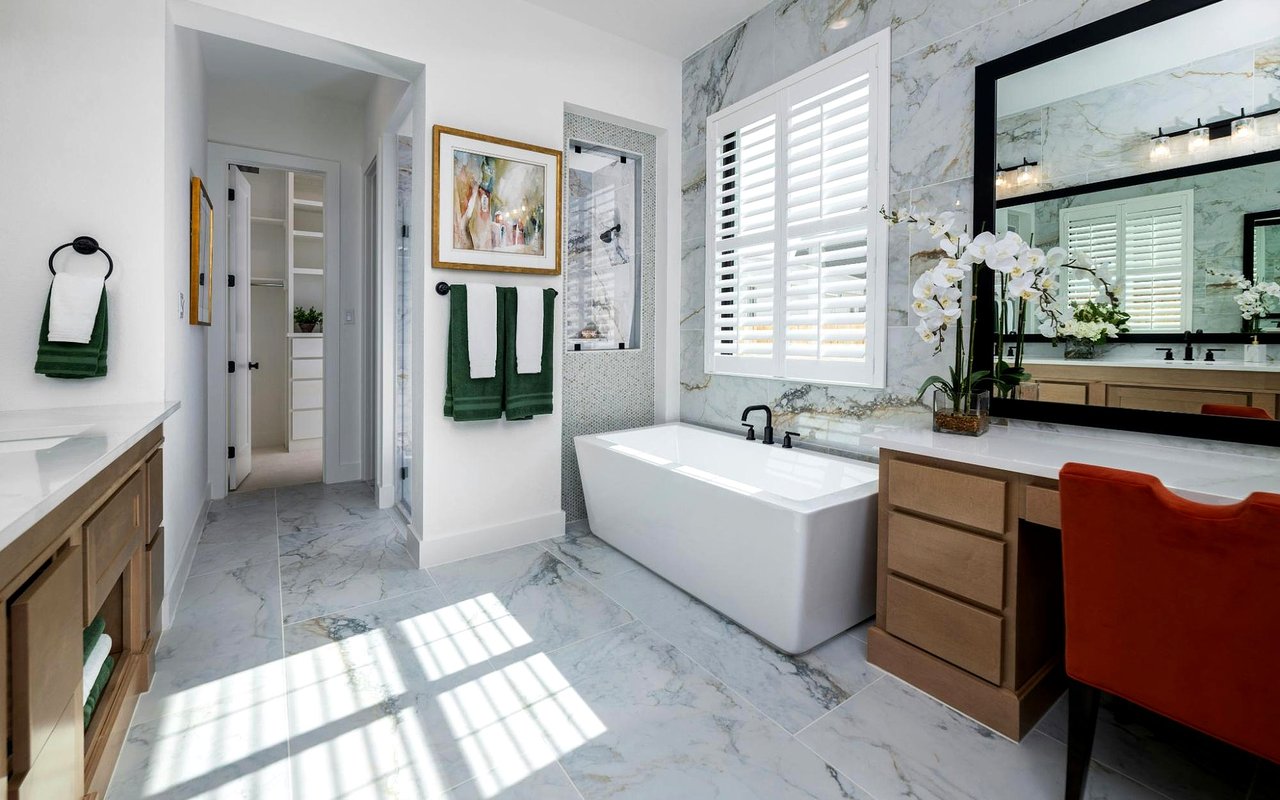
- Bathroom update: new fixtures, regrouted tile, and a fresh vanity mirror — in San Francisco, expect to spend $3,000 to $6,000 for a cosmetic refresh using licensed contractors
- Landscaping and exterior touch-up — the first impression starts at the curb, and in San Francisco's walkable neighborhoods, that matters
What to Fix Before Inspection — Not After
In the San Francisco Bay Area, pre-listing inspections are standard practice. Sellers who go to market without one are at a disadvantage — buyers and their agents expect to see inspection reports, and the absence of one raises questions. More importantly, a pre-listing inspection gives you the opportunity to address findings on your own timeline, at your own cost, before they become negotiating points.
The issues that cost sellers the most are rarely the dramatic ones. It is the accumulation of deferred maintenance — a missing GFCI outlet, a cracked caulk line in the shower, a water heater past its expected service life — that gives buyers permission to question the overall condition of the home. Addressing these before you list removes that opening.
The issues that cost sellers the most are rarely the dramatic ones. It is the accumulation of deferred maintenance — a missing GFCI outlet, a cracked caulk line in the shower, a water heater past its expected service life — that gives buyers permission to question the overall condition of the home. Addressing these before you list removes that opening.
Common Pre-Listing Fixes That Pay for Themselves
- Pest and dry rot inspection and remediation — California law requires disclosure; addressing it proactively removes a major buyer objection
- GFCI outlets in kitchens and bathrooms — inexpensive and flagged on virtually every inspection report
- Water heater strapping and seismic compliance — required in California and checked on every inspection
- Roof condition — a roof with remaining life documented in an inspection report is a selling point; one without documentation is a question mark
- Any visible water damage or staining — buyers and their agents will notice, and it suggests more than what is visible
Timing: When to Start and What to Sequence
Preparation takes longer than most sellers expect. In San Francisco, where contractor availability is tight and permit timelines can extend unexpectedly, starting early is not optional — it is strategic. Most well-prepared listings require six to ten weeks of pre-market work: inspections, repairs, cosmetic updates, and time for paint and floors to cure before staging and photography.
The sequence matters: inspections first, repairs next, cosmetic updates after, staging and photography last. Compressing this by starting late almost always costs money — in rushed contractor fees or in a listing that hits the market before it is ready.
The sequence matters: inspections first, repairs next, cosmetic updates after, staging and photography last. Compressing this by starting late almost always costs money — in rushed contractor fees or in a listing that hits the market before it is ready.
Frequently Asked Questions
How much should I spend preparing my San Francisco home for sale?
It depends on the home's condition and price point, but most well-prepared San Francisco listings require $20,000 to $60,000 in pre-sale preparation. The return in offer price and reduced days on market typically exceeds the cost, particularly in the luxury and mid-range segments where buyer expectations are highest.
Should I renovate the kitchen before selling?
A full kitchen renovation before selling rarely makes sense — buyers prefer to make their own choices on major finishes, and the cost rarely returns dollar for dollar. A targeted refresh — new hardware, updated fixtures, resurfaced cabinets, and a clean coat of paint — is almost always the better play.
Do I need a pre-listing inspection in San Francisco?
We recommend it strongly. Pre-listing inspections are standard practice in the Bay Area, buyers expect to see them, and having one positions you as a seller who has nothing to hide. It also gives you control over how findings are addressed rather than leaving that to buyer negotiations.
Ready to Prepare Your San Francisco Home for the Market?
The right preparation strategy depends on your home, your timeline, and your goals. Reach out to us, The Warrin Team, and we will walk you through exactly what your home needs to attract the strongest possible offers.